Spain Rail Tragedy: What Went Wrong in the Adamuz High-Speed Collision
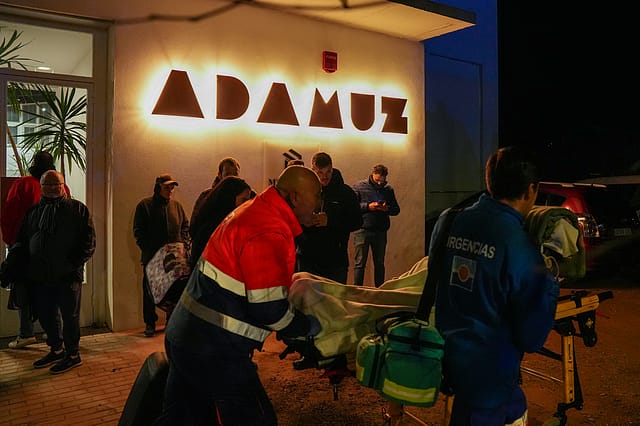
Spain is reeling from its deadliest rail disaster in over a decade after a high-speed train derailed and collided with another service, killing at least 39 people. Here’s what we know.
What happened in the Spain train crash?
On the evening of January 18, 2026, a high-speed train travelling from Málaga to Madrid derailed near Adamuz in Córdoba province and slammed into an oncoming Madrid–Huelva service. The collision occurred around 7:45 pm local time, triggering a massive emergency response and widespread service disruptions.
How many people were killed or injured?
At least 39 people have died, making it Spain’s worst rail disaster since 2013. Regional authorities said 11 adults and one child remain in intensive care, while 24 others are seriously injured. Officials warned the death toll could rise as rescue teams continue clearing the wreckage.
How did the collision unfold?
Investigators say the rear section of the Málaga–Madrid Iryo train derailed onto the opposite track, colliding head-on with the Renfe service. The impact knocked the first two carriages of the second train off the tracks and down a 13-foot slope, scattering debris across hundreds of metres.
Why is the crash particularly puzzling?
Spain’s Transport Minister Óscar Puente called the incident “extremely unusual.” The crash occurred on a straight stretch of track that had recently been upgraded as part of a €700 million investment project. The derailed train was manufactured in 2022 and had passed inspection just three days earlier, on January 15.

India's Action Hero
27 Mar 2026 - Vol 04 | Issue 64
Riding the Dhurandhar Wave
How did passengers escape the wreckage?
Survivors described chaos and terror. Some passengers used emergency hammers to break windows, while others escaped through the roof or were thrown from the train during the impact. A journalist onboard compared the derailment to “an earthquake,” as carriages twisted violently.
What emergency response was launched?
Spain deployed a large-scale rescue operation involving the Civil Guard, firefighters, police, military emergency units, and the Spanish Red Cross, which set up a help centre in Adamuz to assist victims’ families searching for information.
What has been the official response so far?
Prime Minister Pedro Sánchez announced he would visit the crash site, while rail operator Adif suspended train services between Madrid and major Andalusian cities, including Córdoba, Sevilla, Málaga and Huelva. Authorities declared a period of national mourning in affected regions.
How has the international community reacted?
World leaders including French President Emmanuel Macron and European Commission President Ursula von der Leyen expressed condolences. The Spanish royal palace also issued a statement mourning the victims. India’s External Affairs Minister S Jaishankar conveyed condolences to Spain’s foreign minister and wished the injured a swift recovery.
What historical context puts this tragedy in perspective?
Spain operates Europe’s largest high-speed rail network, spanning over 1,900 miles, with trains exceeding 155 mph. Its last major rail disaster occurred in 2013, when 80 people died near Santiago de Compostela. In 2024 alone, over 25 million passengers travelled on Spain’s high-speed trains.
What happens next in the investigation?
Authorities have launched a technical investigation that could take up to a month. Officials say it is too early to determine the cause, though attention is focused on why a derailment occurred on a modern, straight section of track with active safety systems in place.
(yMedia and ANI are the content partners for this story)