Sheikh Hasina's December 16 return puts India in a diplomatic bind: What happens next?
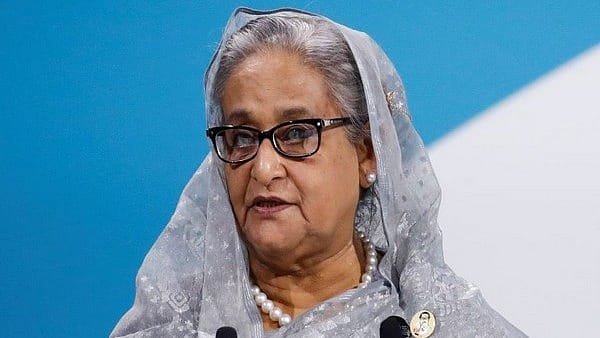
Can Sheikh Hasina simply board a flight from Delhi to Dhaka and return to Bangladesh? The former prime minister says she wants to do exactly that on December 16, coinciding with the country's Victory Day celebrations. But Dhaka has made it clear that her return will not be treated as an ordinary journey.
India, meanwhile, is drawing a distinction between Hasina's possible voluntary return and Bangladesh's formal extradition request. The position matters: New Delhi is being asked to manage a politically charged dispute without allowing it to further strain relations with a strategically important neighbour.
Why Sheikh Hasina wants to return to Bangladesh on December 16
Hasina, who has been living in India since fleeing Dhaka on August 5, 2024, following a student-led uprising, has reportedly sought arrangements to travel home aboard Bangladesh's national carrier, Biman Bangladesh Airlines.

Anatomy Of A Stillborn Revolution
20 Nov 2026 - Vol 01 | Issue 01
Whatever Happened To The Cockroach Janta Party?
Her spokesperson, Syed Mozammel Ali, told Reuters that she had asked the Bangladeshi government to arrange her air transport from Delhi. December 16 marks Victory Day, commemorating Bangladesh's liberation from Pakistan in 1971.
But the announcement has met a firm response from Dhaka. State Minister for Foreign Affairs Humayun Kobir has said Hasina can return only through extradition and under custody. Other senior officials have also indicated that she would be arrested upon arrival.
Why Bangladesh wants India to extradite Sheikh Hasina
The dispute centres on the legal proceedings against Hasina. In November 2025, Bangladesh's International Crimes Tribunal sentenced her to death in absentia for crimes against humanity linked to the 2024 crackdown on protesters. Hasina has denied the allegations and rejected the proceedings.
Dhaka has repeatedly asked India to extradite her under the two countries' bilateral treaty. The request has remained unresolved, with New Delhi saying it is being examined through established procedures.
What India's latest statement means for the Hasina extradition row
The Ministry of External Affairs has carefully separated two possible routes. Responding to questions on Wednesday, spokesperson Randhir Jaiswal said: "The extradition request, as I've said this before, is being examined in line with our established processes. The case of a citizen willing to return voluntarily to her country on a travel document is a matter separate from the extradition request."
In practical terms, India is saying that a voluntary return facilitated by valid travel documents is not the same as handing Hasina over through an extradition process. The distinction also places responsibility for issuing travel documents on Bangladesh.
Could the dispute affect India-Bangladesh relations?
The Hasina question is unfolding against a wider backdrop of strained ties, political uncertainty and concerns about the safety of minorities in Bangladesh.
India has urged Dhaka to investigate reported incidents of violence against minorities and prosecute those responsible. However, reports from Narail have also highlighted the need to distinguish verified attacks from politically amplified claims. India Today reported that a Bangladeshi minority-rights representative described recent violence there as political rather than communal.
For New Delhi, the challenge is to protect its diplomatic interests, follow due process and avoid being drawn into Bangladesh's domestic political contest.
December 16 may therefore become more than a date in Hasina's return plans. It could test how India and Bangladesh handle one of the most consequential disputes between them since her departure from power.
(With inputs from ANI)