Trump's new tariffs target India: What they mean for exports and the US trade deal
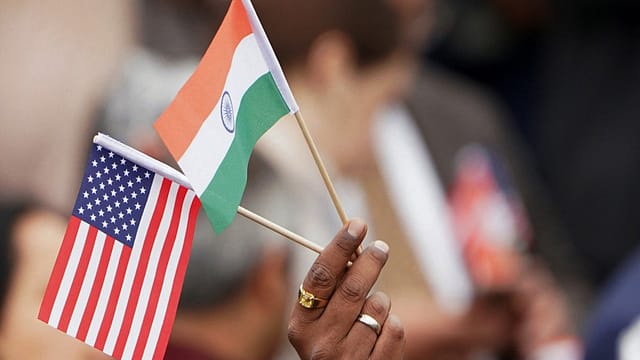
India's trade negotiations with the United States have another hurdle to navigate. The Donald Trump administration has proposed fresh tariffs on 14 trading partners, including India, accusing them of contributing to excess manufacturing capacity that allegedly distorts global trade and hurts American industry.
The move follows an eight-month investigation under Section 301 of the US Trade Act of 1974. While the proposed duties are not yet in force, they could add another layer of uncertainty for Indian exporters and negotiators trying to secure a trade agreement with Washington.
Why is Trump proposing fresh tariffs on India?
The Office of the United States Trade Representative (USTR) has proposed duties on imports from India, China, Japan, South Korea, the European Union, Bangladesh, Cambodia, Indonesia, Malaysia, Singapore, Switzerland, Taiwan, Thailand and Vietnam.
According to Reuters, Washington concluded that these economies contribute to structural excess manufacturing capacity through policies and practices it considers unreasonable and harmful to American commerce. Mexico and Norway, which were also investigated, have been excluded from the proposed tariffs for now.

Anatomy Of A Stillborn Revolution
20 Nov 2026 - Vol 01 | Issue 01
Whatever Happened To The Cockroach Janta Party?
The investigation was launched in March 2026 under Section 301, a provision that allows Washington to respond to trade practices it considers unfair or harmful to US commerce.
What does the tariff proposal mean for Indian exporters?
The proposed tariffs could make Indian goods more expensive for American importers, potentially affecting competitiveness in sectors that depend on access to the US market.
The precise tariff rates and product coverage for India remain crucial. Washington has indicated that the proposed measures will respect tariff ceilings negotiated under existing trade agreements, including those with the European Union, Japan, South Korea and Malaysia.
India, however, has yet to finalise a trade agreement with the US. That leaves New Delhi negotiating without the same clarity on agreed tariff limits that some other trading partners have secured.
Could the tariffs put pressure on India-US trade negotiations?
The timing is significant. The US official cited by Reuters indicated that the proposed tariffs could encourage countries to accelerate negotiations with Washington, with the possibility of agreements being finalised around the G20 Leaders' Summit in Miami in December.
For India, this could mean greater urgency in resolving outstanding trade issues. The proposed duties could become another bargaining instrument as the two countries work towards a trade deal.
However, the tariff proposal does not automatically mean India will face the same duties as China or other economies. The final rates, exemptions and implementation arrangements will depend on the outcome of the process.
When could the new US tariffs take effect?
The proposed duties will undergo a public notice-and-comment period and a hearing before implementation. The process could push their introduction into January 2027.
The administration has also said the new tariffs will not stack on top of certain duties imposed in July over allegations of inadequate enforcement of anti-forced-labour laws.
For India, the immediate challenge is therefore not a tariff that has already taken effect, but the prospect of another trade barrier emerging while negotiations remain unfinished. The next few weeks could prove consequential for both India's exporters and its trade diplomacy with Washington.
(With inputs from ANI)