Returned After 300 Years: How the Netherlands Came to Hold India's Most Prized Chola Copper Plates
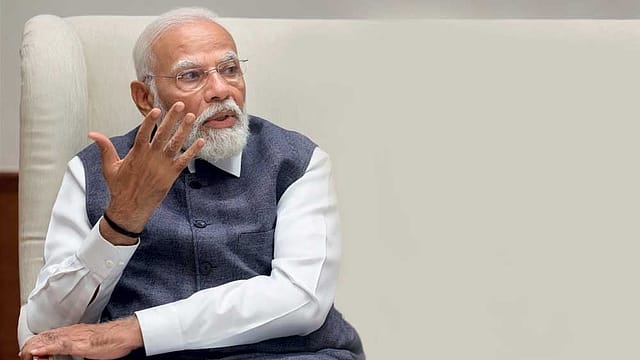
The 11th-century Chola copper plates, among the most significant surviving records of Tamil civilisation, have finally returned to India after more than 300 years in the Netherlands. Their return, formalised during Prime Minister Modi's visit to the Netherlands on May 16, 2026, marks the culmination of over a decade of sustained diplomatic effort. Here’s a deeper insight.
What Are the Chola Copper Plates?
A set of 21 copper plates dating to the reign of Emperor Rajaraja Chola I (985–1014 CE), the artefacts weigh nearly 30 kilograms and are bound by a bronze ring bearing the royal Chola seal. Inscriptions appear in both Sanskrit and Tamil.
What Do the Inscriptions Say?
The Sanskrit section traces the Chola dynastic genealogy. The Tamil inscriptions record Rajaraja Chola I's grant of village revenue to support a Buddhist vihara in Nagapattinam, built by the Malay king of Srivijaya, revealing the empire's remarkable interfaith patronage.
How Did They Reach the Netherlands?
The plates reportedly reached the Netherlands around 1700 CE through Florentius Camper, a Christian missionary stationed in Nagapattinam when the city was under Dutch control. There is no documented clarity on the legality of how Camper obtained them.
Where Were They Kept All This Time?
For over three centuries, the artefacts remained in Leiden University's Asian section, accessible primarily to academics and researchers. They gained broader public recognition through their reference in Kalki Krishnamurthy's iconic historical novel, Ponniyin Selvan.
Exclusive: To the Heavens and Back
19 Jun 2026 - Vol 04 | Issue 76
Shubhanshu Shukla relives the space odyssey that put India into orbit
Why Are They Considered Significant?
Scholars regard the Leiden Plates as among the most valuable surviving records of the Chola empire, offering direct evidence of the dynasty's administrative sophistication, maritime trade links with Southeast Asia, and its tradition of cross-faith cultural patronage.
How Did India Win Them Back?
India formally initiated repatriation efforts in 2012. In October 2023, New Delhi requested their inclusion at the 24th session of the Intergovernmental Committee for Promoting the Return of Cultural Properties (ICPRCP), which acknowledged India as the rightful country of origin. The UNESCO-backed process then set the diplomatic wheels in motion.
When Was the Handover Formalised?
The formal handover took place during Prime Minister Modi's visit to the Netherlands on May 16, 2026, marking the end of a 300-year absence. Taking to X, Prime Minister Modi called it "a joyous moment for every Indian," adding that he took part in the repatriation ceremony in the presence of Dutch Prime Minister Rob Jetten.
(With inputs from yMedia)