US-Iran tensions rise again: What’s behind the latest deadlock?
US President Donald Trump has sharply escalated rhetoric against Iran, warning of severe consequences if negotiations don’t resume quickly.
"For Iran, the Clock is Ticking, and they better get moving, FAST, or there won't be anything left of them. TIME IS OF THE ESSENCE!" Trump wrote on Sunday in a Truth Social post.
This warning comes at a sensitive moment, as diplomatic talks remain frozen despite a ceasefire earlier this year. Trump’s statement signals rising impatience in Washington and raises fears that tensions could spiral again if talks fail.
What are the US and Iran demanding from each other?
At the core of the dispute are sharply conflicting demands that neither side is willing to compromise on.

The Age of Anger
31 Jul 2026 - Vol 05 | Issue 31
A raging generation makes the government relent. What's next?
According to Iran’s Fars News Agency, the US wants Tehran to surrender 400 kilograms of enriched uranium, limit itself to a single nuclear facility, drop demands for war compensation, and accept that most frozen assets will remain blocked. It also wants Iran to end the war only after negotiations conclude.
Iran, however, has laid down its own red lines. It insists that military operations across the region—especially in Lebanon—must stop before talks resume. It also demands full sanctions relief, release of frozen assets, compensation for war damages, and recognition of its sovereignty over the strategically vital Strait of Hormuz.
These positions leave very little room for immediate agreement.
Why is the Strait of Hormuz so important in this crisis?
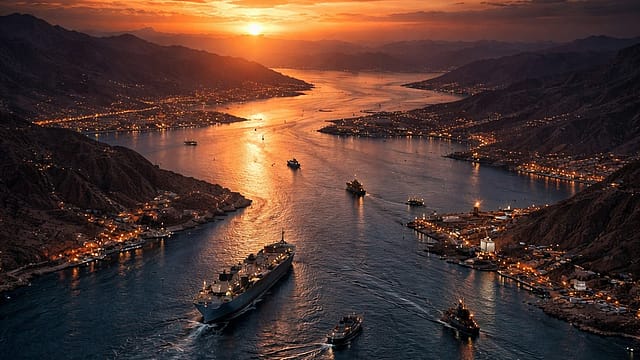
The Strait of Hormuz remains one of the most critical flashpoints in the conflict. A significant portion of global oil supply passes through this narrow route.
Iran has tightened control over shipping in the region, while the US has responded with increased pressure on Iranian ports and maritime trade, including a naval blockade. Any escalation here could disrupt global energy markets and draw in other countries.
What role did Pakistan play in the ceasefire?
The current fragile calm stems from a ceasefire brokered earlier this year with mediation by Pakistan.
Trump acknowledged this explicitly: "We did the ceasefire as a request from another nation. I would have really benefited from it, but we did it as a favour to Pakistan. They are terrific people, the Field Marshal and the Prime Minister," he said.
However, the arrangement has faced scrutiny after reports claimed Iran moved military aircraft, including an RC-130 reconnaissance plane, to a base near Rawalpindi shortly after the truce.
What is Iran saying in response?
Iranian President Masoud Pezeshkian has pushed back strongly, accusing the US and Israel of attempting to destabilise Iran.
He alleged that their objective was to create insecurity inside the country by backing "terrorist groups".
Pezeshkian also claimed the plan failed because neighbouring countries refused to cooperate, thanking Pakistan, Afghanistan and Iraq for not allowing their territory to be used for attacks.
The bottom line
Despite a temporary ceasefire, the US-Iran conflict remains unresolved. With both sides sticking to hardline demands and rhetoric intensifying, the risk of renewed escalation remains high—especially around nuclear issues and critical trade routes.
(With inputs from ANI)