Japan’s Rare February Election? What’s Behind PM Takaichi’s Early Gamble
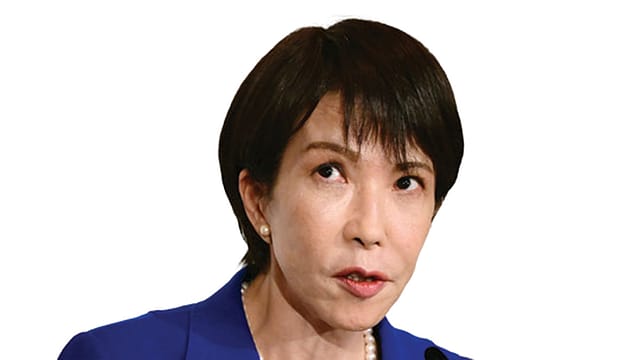
Japan may be on the brink of an unusually early general election—just months after a new prime minister took office. With political momentum, fragile majorities and budget risks colliding, Prime Minister Sanae Takaichi is weighing a high-stakes gamble. Here’s what you want to know.
What is Japan’s prime minister planning?
Prime Minister Sanae Takaichi is preparing to dissolve the House of Representatives at the start of the regular Diet session on January 23, triggering a snap general election—potentially as early as February.
Why is this significant?
If it happens, this would be Takaichi’s first national election since taking office in October and one of the rare February elections in Japan’s postwar history. It would also come with more than two years left in the current lower house’s term.
The Modi Years
02 Oct 2026 - Vol 05 | Issue 40
A Nation Rebuilt
Why now, just months into her tenure?
Takaichi’s Cabinet is enjoying relatively strong public support, and her ruling coalition holds only a slim majority in the lower house. Party strategists believe an early election could stabilise her leadership and strengthen her mandate before political momentum fades.
What signals suggest a snap election is imminent?
While the Cabinet has approved January 23 as the opening date of the Diet session, the ruling Liberal Democratic Party (LDP) has notably avoided scheduling the prime minister’s policy speech—often a sign that election preparations are underway.
When could the election take place?
If the lower house is dissolved on January 23, campaigning could begin by January 27 or February 3, with polling likely on February 8 or February 15, according to media reports.
What’s at stake politically for Takaichi?
A win would give her a fresh public mandate for her expansionary economic agenda and assertive security stance, particularly at a time when Japan’s relations with China have cooled following her remarks on a potential Taiwan contingency.
What are the risks of calling an early election?
The biggest risk is timing. A snap poll could delay passage of the fiscal 2026 budget before the March deadline, as parliament would first need to confirm the prime minister and form a new Cabinet. It also opens the door to unpredictable voter sentiment.
How are opposition parties responding?
Opposition groups have criticised the move, arguing it contradicts Takaichi’s stated focus on tackling rising living costs. At the same time, parties across the spectrum are stepping up preparations, with new alliances and threats to withhold budget support emerging.
Why does this election matter beyond domestic politics?
A stronger mandate would bolster Takaichi’s hand on foreign and security policy, while a weaker showing could complicate governance early in her premiership. Either way, the decision could reshape Japan’s political landscape sooner than expected.
(ANI and yMedia are content partners for this story)