Is Iran Really “Begging” For a Deal? Donald Trump Escalates Rhetoric Over West Asia Tensions
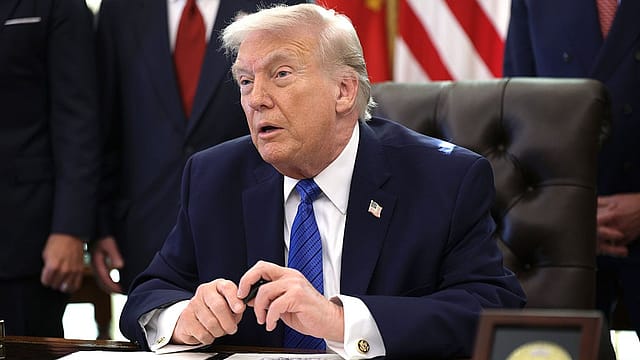
Rhetoric between Washington and Tehran has sharply escalated, with US President Donald Trump issuing stark warnings even as conflicting signals emerge about possible back-channel negotiations.
In a series of provocative remarks, Trump claimed that Iranian negotiators are desperate for a resolution despite their public stance.
“They are negotiating, by the way, and they want to make a deal so badly,” Trump stated during a dinner for Republican members of Congress.
He went further, asserting that Iran has been “militarily obliterated” and has “zero chance of a comeback,” while dismissing Tehran’s official position as "WRONG!!!"
What Warning Has Trump Issued?
The US President delivered a blunt message about the consequences of continued deadlock.
"there is NO TURNING BACK, and it won't be pretty," he warned, underlining the high stakes of the ongoing standoff.
Trump also suggested that Iranian officials are hiding the truth about negotiations due to internal fears.
“But they're afraid to say it, because they figure they'll be killed by their own people,” he said, adding, "They're also afraid they'll be killed by us."
What Is Iran’s Official Response?
Tehran has categorically rejected Trump’s claims, maintaining that it will not negotiate under pressure.

Open Minds 2026
26 Jun 2026 - Vol 05 | Issue 26
The power of ideas and arguments in 50 portraits
Abbas Araghchi stated, “We seek an end to the war on our own terms, of course, and in a way that it will not be repeated here again.”
Reports also indicate that Iran has responded negatively to a US-backed proposal shared via intermediaries, reinforcing its firm stance.
Are Back-Channel Talks Really Happening?
Despite public denials, Trump insisted that quiet negotiations are underway, suggesting a hidden diplomatic track.
He claimed Iranian officials are deliberately concealing these discussions due to internal security concerns, adding another layer of complexity to the already opaque situation.
The administration has doubled down on its hardline approach through its official spokesperson.
White House Press Secretary Karoline Leavitt said Trump “does not bluff and he is prepared to unleash hell” on Iran should a diplomatic agreement fail to materialise.
Is There Any Hope for Diplomacy?
Amid the escalating rhetoric, there are faint signs that dialogue may still be possible.
Wang Yi noted that signals from both sides indicate a potential opening, describing it as a “glimmer of hope” for a peaceful resolution.
The widening gap between public statements and alleged back-channel efforts reflects a volatile diplomatic environment, where threats, denials, and cautious optimism coexist uneasily.
(With inputs from ANI)