Iran Foreign Minister Araghchi Calls Jaishankar: What It Means for West Asia Crisis
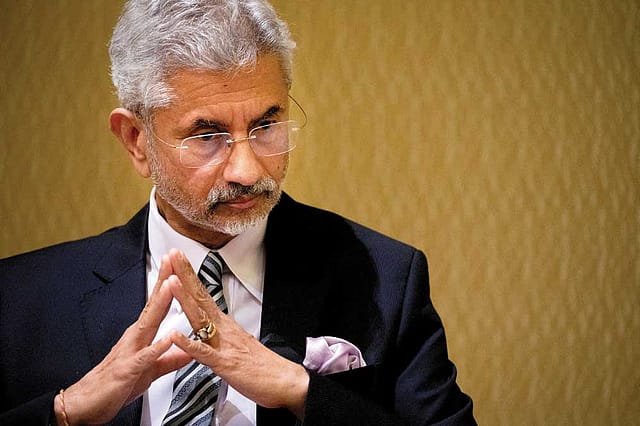
The evolving crisis in West Asia has prompted renewed diplomatic outreach, with S. Jaishankar speaking to his Iranian counterpart Seyed Abbas Araghchi amid rising regional tensions.
The conversation comes at a time when the security situation across the Gulf remains volatile, with global powers watching closely and regional actors recalibrating their positions.
Why did Iran’s Foreign Minister call India now?
The phone call reflects growing urgency around the situation in West Asia, especially following recent escalations involving Iran, the United States, and Israel. According to the Iranian Embassy in India, the two leaders discussed the latest developments surrounding the ceasefire, bilateral ties, and broader regional and international concerns.
Jaishankar confirmed the exchange in a public post, saying, "Received a phone call from Foreign Minister Seyed Abbas Araghchi of Iran this evening. @araghchi. Had a detailed conversation about various aspects of the current situation. We agreed to remain in close touch."

Zeroing In on ECI
09 Oct 2026 - Vol 05 | Issue 41
Constitutional legitimacy versus political opportunism
The outreach highlights India’s role as a key diplomatic player with working relationships across competing blocs in the region.
What is the current situation in West Asia?
Tensions have remained high since a dramatic escalation that followed joint military actions by the United States Armed Forces and Israel against Iran earlier this year. The strikes reportedly killed Iran’s Supreme Leader Ali Khamenei, triggering a sharp retaliatory response from Tehran.
Iran subsequently targeted Israeli and US-linked assets across Gulf countries, leading to disruptions in key maritime routes and unsettling global energy markets. The fallout has had wider implications for international trade and economic stability.
How is Iran framing the conflict?
Iranian officials have characterised the crisis in ideological and strategic terms. Mohammad Hossein Ziyaeenia, Deputy Representative of Iran’s Supreme Leader in India, described the situation as a broader struggle.
He said the conflict is between "oppression" and "self-defence," while also raising questions about the international community’s response to rising casualties.
On global involvement, he added, "In this conflict, every country can play a role. Every country can play a role, positive or negative."
What warnings has Iran issued to the United States?
Military rhetoric has also intensified. The naval wing of Iran’s elite Islamic Revolutionary Guard Corps has warned Washington of potential escalation.
According to Iranian media, Mohammad Akbarzadeh stated that the force has "surprise tactics" ready if the US makes what Iran perceives as another miscalculation.
He further suggested that new capabilities could be deployed in response to any fresh military action, signalling preparedness for unconventional engagement in the region’s critical waterways.
What role can India play in this crisis?
India’s diplomatic balancing act places it in a unique position. With strong ties to both Western powers and countries in West Asia, New Delhi has often advocated dialogue and de-escalation.
The latest call suggests that India could remain engaged as a stabilising voice, especially as calls grow for broader international involvement in ending hostilities.
What happens next?
While both sides have agreed to stay in touch, the trajectory of the conflict will depend on military developments, diplomatic interventions, and the willingness of global powers to step back from further escalation.
For now, the situation remains fluid, with high stakes not just for the region but for global security and economic stability.
(With inputs from ANI)