Smart Lockdown in Pakistan: How It Impacts Trade and Economy
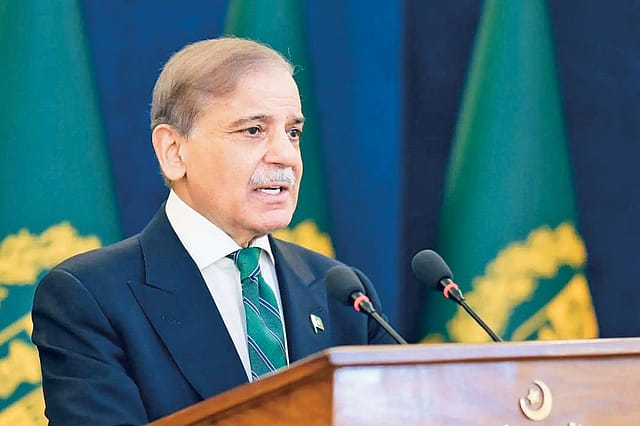
Trade and business activity in Rawalpindi and Islamabad have been severely affected by an ongoing “smart lockdown,” prompting strong protests from trader associations demanding immediate relief. The Central Traders Association Rawalpindi Cantonment has called for the removal of restrictions, arguing that normal commercial activity must be restored to prevent further economic damage.
Why was the “smart lockdown” introduced?
The lockdown is part of broader austerity measures implemented in response to Pakistan’s fuel crisis, which has been triggered by the ongoing conflict in West Asia.
These measures aim to conserve energy but have had unintended consequences for economic activity, particularly in urban commercial hubs.
How are traders being affected?
Traders say that heightened security measures, checkpoints, and movement restrictions over the past two weeks have significantly disrupted daily business operations.
They warned that prolonged restrictions are pushing small and medium enterprises toward collapse, with the hospitality sector being among the worst hit due to reduced operating hours and declining customer footfall.
What economic pressures are worsening the situation?
Beyond lockdown restrictions, business owners point to a sharp rise in petroleum prices and operational costs.
This has contributed to inflation and reduced consumer purchasing power, making essential goods increasingly unaffordable and shrinking overall market demand.

I.N.D.I.A. Falling
12 Jun 2026 - Vol 04 | Issue 75
The Unravelling of an Alliance
Why are utility costs a major concern?
Traders have also raised concerns about unannounced power outages, rising electricity tariffs, and inflated utility bills.
They argue that under such conditions, sustaining business operations has become nearly impossible and have demanded an immediate reduction in electricity rates to ease financial pressure.
What are traders demanding from the government?
During an emergency meeting, trader representatives unanimously called for an end to restrictions without delay, stressing that prolonged limitations have “severely undermined economic stability in the region.”
They also urged authorities to ensure uninterrupted business operations and reduce interference from government departments.
Are traders still supporting the government?
While reaffirming their past support during national crises, traders made it clear that current conditions are no longer sustainable.
They warned that failure to address their concerns could deepen economic challenges and further destabilise already fragile markets.
What happens next?
Trader groups have pledged to continue engaging with authorities but insist that urgent intervention is necessary.
They caution that without immediate relief, the ongoing restrictions could accelerate economic decline and lead to long-term damage to Pakistan’s business ecosystem.
(With inputs from ANI)