Iran Restarts Drone Production, Rebuilds War Capability Amid Fragile Truce: Report
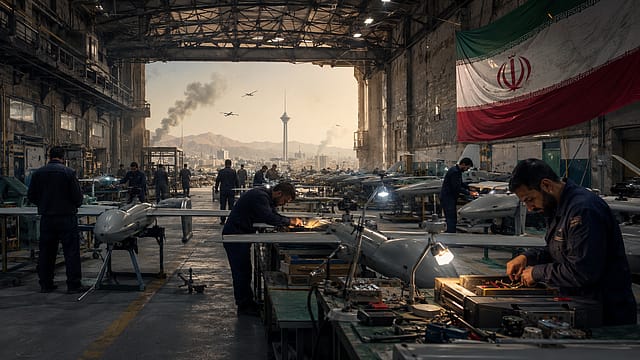
Iran is rebuilding its military capabilities degraded by recent US-Israeli strikes much faster than previously estimated, according to a report by CNN.
Amid a truce brokered by Pakistan on April 8, Iran has restarted its drone production, considered its defining weapon in the ongoing conflict. At present, around 50 per cent of the country’s drone capabilities remain intact.
Sources told the channel that Tehran is restoring its lost military strength by repairing and replacing missile positions, launch equipment, and production lines for essential weapons systems damaged during the conflict.
The development suggests that Iran could once again pose a threat to regional allies if hostilities resume.
US intelligence assessments have also raised questions about the long-term impact of the US-Israeli strikes, challenging assumptions about how significantly Iran’s military capabilities had been set back.
A US official told the channel that Iran could fully restore its drone attack capability within six months.
Iranian President Masoud Pezeshkian has reiterated his administration’s commitment to military preparedness, stating that the government supports strengthening the armed forces with all its capacity, Iran’s semi-official Fars News Agency reported.
The remarks were made during a high-level security meeting with Major General Amir Hatami, Commander-in-Chief of the Iranian Army. Discussions focused on national defence policy, operational readiness, and the strategic reinforcement of military infrastructure.

Open Minds 2026
26 Jun 2026 - Vol 05 | Issue 26
The power of ideas and arguments in 50 portraits
Emphasising the core principles of the country’s defence doctrine, Pezeshkian highlighted the link between internal cohesion and military capability. “National unity and the authority of the armed forces are the most important backing for the country's security,” he said during the meeting.
He further assured military leadership that state resources would remain aligned with strategic defence needs, reiterating that “the government supports the strengthening of the armed forces with all its capacity.”
These domestic efforts coincide with heightened geopolitical tensions. Amid fragile diplomatic engagements between Tehran and Washington, Iran’s Supreme Leader Ayatollah Mojtaba Khamenei has directed that the stockpile of enriched uranium “should not leave the country”, rejecting US President Donald Trump’s key demand in ongoing peace talks, Reuters reported, citing two Iranian sources.