Is Another Earthquake--Bigger Than 7.5--Likely to Hit Japan?
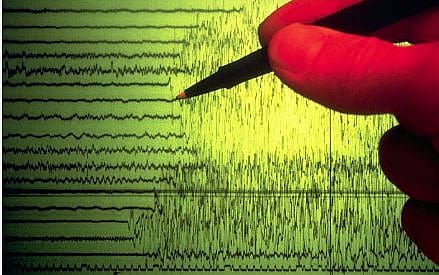
A day after a magnitude 7.5 earthquake rocked northern Japan, authorities issued a rare alert for a potential Japan megaquake along the Pacific coast from Hokkaido to Chiba Prefecture, urging residents to stay vigilant without mandating evacuations.
This marks the first such warning since the category’s introduction in 2022, as the Japan Meteorological Agency assesses elevated risks of a larger seismic event following the December 8 tremor off Aomori Prefecture.
Over 114,000 people face ongoing evacuation orders amid 30 injuries, power outages, and rail disruptions, while Prime Minister Sanae Takaichi coordinates a rapid damage assessment and unified response.
LINGERING IMPACT OF JAPAN MEGA EARTHQUAKE
The Japan mega earthquake’s immediate aftermath saw tsunami waves of 20-70 cm batter coastal areas in Hokkaido, Aomori, and Iwate prefectures, prompting initial warnings of up to 3-meter surges that were later lifted by Tuesday morning.
Injuries numbered at least 30, including from falls and panic, while one fire broke out; no fatalities were reported, but the toll underscores vulnerabilities in a nation scarred by the 2011 Tohoku disaster.
Power was swiftly restored to most households after brief outages, yet East Japan Railway halted services, stranding commuters and delaying northern lines.

Assembly Elections 2026: Race of the Warhorses
20 Mar 2026 - Vol 04 | Issue 63
The making of a summer thriller
NHK World reports highlight how the quake’s epicentre near Aomori intensified fears, with the Japan Meteorological Agency (JMA) detecting no nuclear anomalies at Tohoku and Hokkaido plants, a critical relief given historical risks. Reuters details economic tremors, including a temporary yen depreciation against major currencies, signalling investor jitters over supply chain disruptions.
QUAKE WARNING SPAKRKS VIGILANCE ACROSS JAPAN
Japan’s issuance of its first top-tier “megaquake advisory” post-2022 system marks a pivotal shift in the aftermath, elevating the probability of an 8.0+ Japan megaquake along the Japan Trench.
Authorities urge Pacific coast residents from Hokkaido to Chiba - including proximity to Tokyo - to secure homes, stock supplies, and map evacuation routes for up to a week. CNN notes over 90,000 evacuees initially, now expanded, as Takaichi warned of aftershocks rivalling the original quake’s force.
The Tokyo quake’s proximity amplifies concerns, with experts citing the 2011 megaquake’s 20,000 deaths as a grim precedent; the advisory, triggered by the recent event, demands hyper-vigilance. Local officials report ongoing damage surveys, with no major infrastructure collapses yet confirmed.
WHAT’S THE GOVERNMENT’S RESPONSE?
The Japan megaquake warning exposes fault-line tensions in a seismically active archipelago, straining emergency resources amid winter chills. Takaichi’s administration coordinates with prefectures for rapid aid, emphasizing “human life first,” while utilities confirm nuclear safety.
Financial markets stabilized post-yen dip, but analysts eye tourism and fisheries hits in the northeast.
As assessments continue, Japan’s meticulous disaster protocols shine, yet the possibility of another megaquake looms, potentially reshaping coastal policies and global supply chains. Heightened preparedness could avert catastrophe, but prolonged advisories test public resolve in this earthquake-prone nation.
(yMedia is the agency partner for this news)