Iran Oil Minister Resigns Amid US Blockade; Hamid Bovard Takes Interim Charge
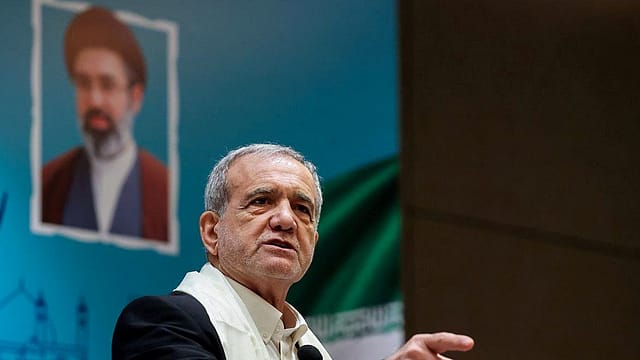
Iranian Oil Minister Mohsen Paknejad has resigned, prompting President Masoud Pezeshkian to appoint National Iranian Oil Company chief Hamid Bovard as acting minister as a US naval blockade restricts the country’s petroleum exports.
Pezeshkian accepted the resignation after initially declining Paknejad’s request to leave, according to a presidential office statement broadcast by Iranian state outlet IRIB.
The departure comes as Iran’s energy sector faces sustained pressure from American sanctions and restrictions on shipping. However, the presidential office attributed Paknejad’s decision to personal issues.
PRESIDENT INITIALLY ASKED MINISTER TO STAY
A presidential office spokesperson told state television that Paknejad had previously offered to step down “due to personal issues”.
Pezeshkian urged him to remain in office but eventually accepted the resignation after the minister maintained his position. The president subsequently “commended his efforts and sincere service”.

Losing Memory
16 Oct 2026 - Vol 05 | Issue 42
The making of a medical and social emergency
Bovard will take temporary charge of the ministry while leading an energy sector central to Iran’s efforts to preserve export earnings during the conflict.
HORMUZ STANDOFF SQUEEZES OIL EXPORTS
The Strait of Hormuz has become a major flashpoint in the war. Before US and Israeli strikes on Iran in late February, the corridor carried around a fifth of global crude oil and liquefied natural gas shipments, according to the report.
Washington imposed a counterblockade targeting Iranian ports after Tehran restricted commercial shipping and fired on vessels it considered to have crossed without authorisation.
The American measures aim to halt Iranian petroleum exports and restrict access to oil income and foreign currency. The economic strain has also been accompanied by lengthy queues at petrol stations in Tehran and other Iranian cities.
Paknejad’s departure places new leadership at the ministry as the government seeks to sustain revenues under those restrictions.
US EXPANDS ECONOMIC PRESSURE
The US Treasury announced fresh sanctions on Friday targeting Iran’s automotive and rail industries under its “Operation Economic Outcast” campaign.
Treasury Secretary Scott Bessent said the restrictions were intended to reduce Tehran’s capacity to finance the war. Washington was working to “drain the regime’s revenue once and for all”, he said.
Bessent also pointed to efforts to restrict Iran’s remaining petroleum income, with the administration using sanctions and the naval blockade to obstruct crude sales.
President Donald Trump said on Saturday that oil prices were falling and claimed Iran had “virtually given up” ambitions to develop a nuclear weapon.
His remarks came as hostilities entered their eighth month, with Iran’s petroleum earnings remaining a principal target of Washington’s economic campaign.
With inputs from ANI