Iran ‘completely’ opens Hormuz Strait during truce: Is global trade safe now?
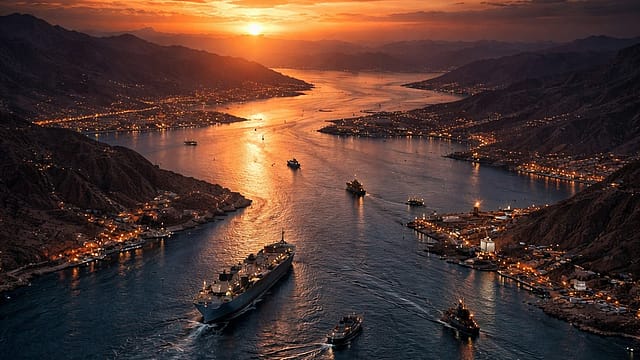
A fragile pause in one of West Asia’s most volatile conflicts is beginning to reshape the region’s geopolitical and economic landscape. As a 10-day ceasefire between Israel and Lebanon takes effect, Iran has moved swiftly to reopen the strategically critical Strait of Hormuz, while global leaders cautiously signal optimism. Yet, beneath the surface, tensions remain far from resolved.
How significant is Iran reopening the Strait of Hormuz?
In a major development with global implications, Iran has declared the Strait of Hormuz “completely open” for commercial shipping during the ceasefire period. The narrow waterway is one of the world’s most vital oil transit routes, making its accessibility a key barometer of regional stability.
Iranian Foreign Minister Abbas Araghchi confirmed the move, stating, “In line with the ceasefire in Lebanon, the passage for all commercial vessels through the Strait of Hormuz is declared completely open for the remaining period of the ceasefire.”
However, the reopening is not without caveats. Araghchi noted that vessels must continue to sail “on the coordinated route as already announced” by Iranian authorities, signalling that full normalcy has not yet returned.
The announcement was echoed by US President Donald Trump, who reinforced the message on social media, saying, “Iran has just announced that the strait of Iran is fully open and ready for full passage. Thank you!”
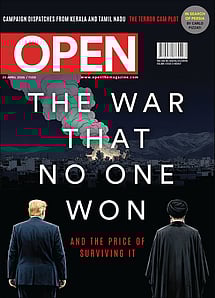
War on Iran: The War That No One Won
10 Apr 2026 - Vol 04 | Issue 66
And the price of surviving it
What did Donald Trump say?
US President Donald Trump has welcomed the declaration from Tehran regarding the restoration of maritime access through the Strait of Hormuz. This move was made contingent on maritime operators maintaining coordination with Iranian authorities, following the successful implementation of a ceasefire in Lebanon.
Celebrating the development, the US President took to social media to highlight the reopening of the strategic waterway. In an all-caps post on Truth Social, Trump wrote, "IRAN HAS JUST ANNOUNCED THAT THE STRAIT OF IRAN IS FULLY OPEN AND READY FOR FULL PASSAGE."
This confirmation from Washington aligns with Tehran's official stance that the Strait of Hormuz will remain "completely open" for the duration of the current cessation of hostilities.
What does the Israel-Lebanon ceasefire actually change on the ground?
The reopening of the Strait is closely tied to the ceasefire between Israel and Lebanon, a truce that Washington hopes could pave the way for a more lasting peace. Trump described the agreement as the result of “excellent” telephonic discussions with Israeli Prime Minister Benjamin Netanyahu and Lebanese President Joseph Aoun.
“These two Leaders have agreed that in order to achieve peace between their Countries, they will formally begin a 10 day ceasefire at 5 P.M. EST,” Trump stated, adding that both leaders may meet at the White House “over the next four or five days.”
The ceasefire is also seen as a critical step in broader US efforts to negotiate a larger deal involving Iran, which had insisted that a Lebanon truce was a prerequisite for progress.
Despite the diplomatic momentum, the ground reality remains complex. Israeli Prime Minister Netanyahu made it clear that military objectives have not changed. “We will remain in a 10-kilometre security zone, which will allow us to prevent infiltration into communities and anti-tank missile fire,” he said, reiterating that Israel seeks the “disarmament of Hezbollah” and a “sustainable peace agreement -- from a position of strength.”
Adding to the uncertainty, reports indicate that Israeli artillery strikes were heard in parts of Lebanon shortly after the ceasefire began, even as celebrations broke out in Beirut marking the temporary halt in hostilities.
Trump, meanwhile, urged restraint from armed groups, posting, “I hope Hezbollah acts nicely and well during this important period of time. It will be a GREAT moment for them if they do. No more killing. Must finally have PEACE!”
How is India viewing the unfolding situation?
India has adopted a measured and watchful stance, welcoming the ceasefire while closely monitoring developments across the region.
Responding to the truce, Ministry of External Affairs spokesperson Randhir Jaiswal said, “India welcomes every step towards peace.”
He added that the government remains vigilant about the evolving situation, noting, “We are closely following all developments in the West Asia war.”
New Delhi’s response reflects both cautious optimism and strategic concern, given the region’s importance for energy supplies, trade routes, and the safety of Indian nationals.
(With inputs from ANI)