Sheikh Hasina Extradition: What MEA Said and What Happens Next
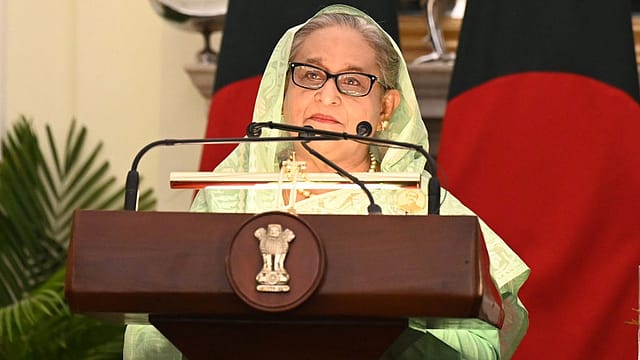
India has confirmed that it is formally reviewing Bangladesh’s request to extradite former Prime Minister Sheikh Hasina through established legal channels. The Ministry of External Affairs (MEA) has made it clear that the process is ongoing and bound by judicial procedures.
“The request is being examined as part of ongoing judicial and internal legal processes. We will continue to engage constructively on the issue with all the stakeholders. We follow all developments very closely,” said MEA spokesperson Randhir Jaiswal.
The request, first acknowledged in 2025, is now undergoing scrutiny within India’s legal framework, indicating that any decision will follow due process rather than political expediency.
Why is this issue sensitive for India?
The situation presents a complex diplomatic challenge for New Delhi. Sheikh Hasina has been in India since her removal from power in August 2024, following a major political upheaval in Bangladesh.
At the same time, India is trying to maintain stability in its relationship with Bangladesh’s new government, which came to power after the “July Revolution.” Balancing legal obligations with regional diplomacy has therefore become critical.
How is India engaging with Bangladesh’s new government?
Despite the extradition request, India is signalling continuity in its diplomatic approach. Officials have emphasised that ties with Bangladesh will remain strong and forward-looking.

Open Minds 2026
26 Jun 2026 - Vol 05 | Issue 26
The power of ideas and arguments in 50 portraits
“I would also like to emphasise that the External Affairs Minister reiterated India's desire to engage constructively with the new government and further strengthen bilateral ties,” Jaiswal added.
Both countries are continuing discussions on cooperation across key sectors, including trade, energy, and regional security.
“The two sides agreed to explore proposals for deepening the partnership through the relevant bilateral mechanisms,” the spokesperson remarked.
What diplomatic steps are expected next?
India and Bangladesh are preparing for further official engagements aimed at aligning their positions on broader regional and global issues.
“Official meetings are expected to take place at an early date for both sides' views on regional and global issues of mutual interest,” Jaiswal said.
These meetings are expected to ensure that bilateral ties remain stable, even as the extradition issue remains unresolved.
How did the current situation arise?
The backdrop to this diplomatic situation is the political upheaval in Bangladesh in July 2024, when a student-led movement brought an end to the long-standing Awami League government.
The new leadership in Dhaka is facing internal pressure to bring Sheikh Hasina back to stand trial. However, India appears to be prioritising regional stability and democratic continuity.
What is India’s broader approach?
India has reiterated that it will follow legal due process while safeguarding its strategic relationship with Bangladesh. The government has also emphasised that its actions will be guided by broader regional interests.
At its core, New Delhi’s stance reflects a dual priority: adhering to judicial procedures while ensuring that bilateral ties are not disrupted by the fate of one individual.
(With inputs from ANI)