Hong Kong, Religion and Surveillance: Inside China’s Rights Crisis
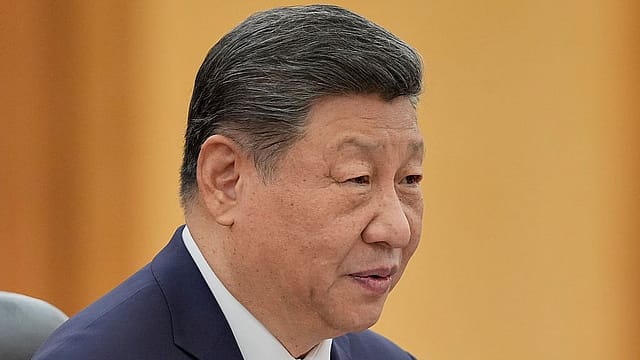
China’s human rights situation deteriorated sharply in 2025, according to Human Rights Watch’s World Report 2026, which documents intensified repression under President Xi Jinping’s leadership. The report paints a troubling picture of shrinking freedoms, tighter ideological control, and growing global concern.
Tightening Control Under Xi Jinping
The Human Rights Watch report highlights how President Xi Jinping strengthened his grip over Chinese society in 2025 by mobilising state institutions to enforce loyalty to the Communist Party. Authorities expanded surveillance, ideological campaigns, and political oversight, leaving little space for dissent or independent thought.
Minority communities bore the brunt of these policies. Tibetans, Uyghurs, members of unofficial Christian churches, and other religious and cultural groups faced intensified restrictions. Xi’s visits to Tibet and Xinjiang were presented as displays of stability but were widely seen as reinforcing central control. Thousands of Uyghurs remain imprisoned, and public celebrations linked to the Dalai Lama were banned in Tibet.
The report also warns that new legislation may soon formalise harsher measures, giving legal backing to expanded repression at home and abroad.
Hong Kong and the Shrinking Space for Dissent
Hong Kong, once known for its political freedoms, witnessed further erosion of civil liberties in 2025. Human Rights Watch notes that repression has accelerated since the National Security Law came into force five years ago.
During the year, the city’s last active pro-democracy party disbanded, and authorities continued prosecuting activists and political figures. Media entrepreneur Jimmy Lai and other prominent voices remain imprisoned. In a significant development, officials used the security law to target a family member of overseas activist Anna Kwok, signalling the law’s growing reach.
The Abandoned Kejriwal
01 May 2026 - Vol 04 | Issue 69
Brain drain from AAP leaves Arvind Kejriwal politically isolated
These actions, the report suggests, have effectively dismantled organised political opposition and created a climate of fear among civil society groups.
Religion, Surveillance and Global Reach
Beyond politics, the Chinese government has intensified efforts to “sinicise” religion by forcing religious groups to conform to party ideology. Protestant house churches that resisted state control faced arrests, closures, and legal action. Several church leaders and members were sentenced or detained on charges that rights groups say are politically motivated.
The report also documents widespread arbitrary detention of activists, journalists, and ordinary citizens for exercising basic rights. At the same time, Beijing expanded its use of transnational repression, targeting critics living abroad through harassment of relatives and pressure tactics. Cases involving overseas students and filmmakers illustrate how China’s influence now extends far beyond its borders.
Human Rights Watch has urged Beijing to end abuses in Xinjiang, repeal restrictive laws in Hong Kong, allow independent observers into sensitive regions, and release detained human rights defenders.
(With inputs from ANI)