Germany's Labour Shortage Crisis: Why It Is Turning to India for Help
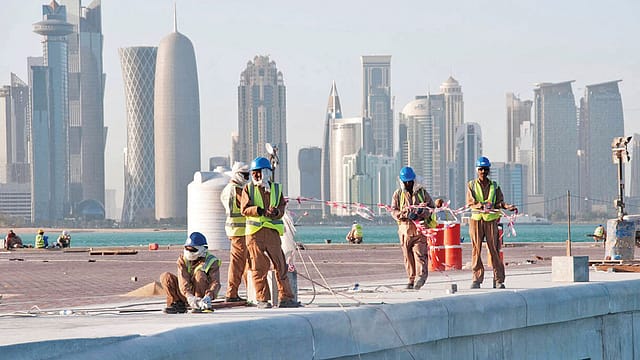
Germany’s labour shortage is widening across 163 occupations, with projections pointing to a 7 million-worker deficit by 2035. Domestic and European labour pools are no longer enough to close the gap. As shortages intensify, Berlin is turning to India as a key source of skilled workers. Several visa reforms and bilateral programs are now being positioned to accelerate this workforce shift.
Here is the full story.
How Severe Is Germany's Labour Shortage Really?
As stated by the German Economic Institute, Germany needs at least 400,000 skilled immigrants every year just to maintain economic stability. The skilled worker deficit spans 163 occupations as of May 2025, with nursing, IT, engineering, and construction among the hardest hit.
As of early 2025, over 27% of German enterprises reported being directly impacted by staff shortages. With the deficit projected to hit 1.3 million by 2030, the crisis is only deepening.
Why Is the Crisis Getting Worse, Not Better?
Germany's fertility rate sits at 1.54, well below the replacement level of 2.1. Traditional EU labour sources are aging and retaining more of their own workers, and retaining more of their own workers. Over 210,000 Germans emigrate every year, 75% of them highly skilled, deepening the skilled worker deficit from within.
Why Has Germany Specifically Turned to India?
India adds over one million workers to its labour market every month, many of them qualified in STEM, healthcare, and skilled trades. Indian professionals in Germany have already tripled from 86,000 in 2015 to 280,000 in 2025. The 2022 Migration and Mobility Partnership Agreement between Berlin and New Delhi made it official.

Open Minds 2026
26 Jun 2026 - Vol 05 | Issue 26
The power of ideas and arguments in 50 portraits
What Has Germany Done to Fast-Track Indian Workers?
Germany cut visa processing times for Indian professionals from nine months to two weeks and fully digitalised applications from January 2025. The Blue Card salary threshold for shortage occupations including IT, engineering, and healthcare was set at €45,934 annually, easing access for a wider pool of applicants.
Furthermore, the Chancenkarte (Opportunity Card) allows Indian talent to move to Germany for up to a year to find work without a prior job offer. Plans are underway to scale work visas from 20,000 to 90,000 per year.
Which Indian Professionals Are Most in Demand?
IT specialists, engineers, nurses, caregivers, construction workers, and transport professionals top Germany's shortage list. The Indo-German Initiative for Technical Education, IGnITE, is actively training Indian professionals in Germany's dual vocational system. Hospitals are also recruiting Indian nurses directly through dedicated agencies.
Is This a Long-Term Fix or a Short-Term Patch?
The skilled worker deficit Germany faces is structural, not cyclical, and its demographic trajectory makes that clear. With birth rates stagnant and retirements accelerating, the German workforce crisis will only deepen through the next decade. For Indian professionals, it represents a structured, high-volume corridor into one of the world's most stable economies.
(With inputs from yMedia)