Four Years, No Peace: The History of the Russo-Ukrainian War & What’s Next?
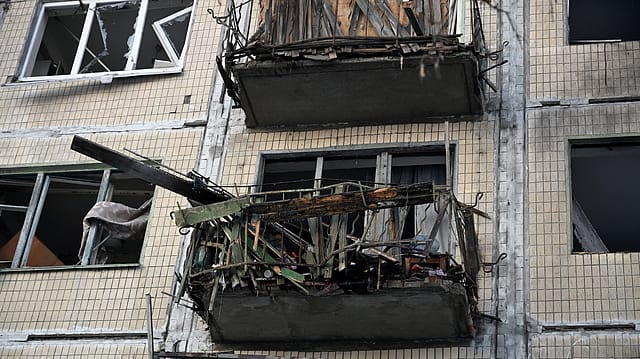
The Russo-Ukrainian war, which began with Russia’s annexation of Crimea in 2014, eventually escalated into a full-scale invasion in February 2022. What started as a regional conflict has evolved into a prolonged geopolitical and military standoff shaping global energy, security and diplomacy.
How Did the Russo-Ukrainian War Begin?
Tensions between Russia and Ukraine stretch back to the Soviet collapse in 1991. Ukraine declared independence, but Russia never fully accepted Kyiv's westward drift. The conflict's modern roots lie in Ukraine's 2004 Orange Revolution and deepened through years of political contestation over NATO and EU alignment, according to Harvard University's Ukrainian Research Institute.
Why Did Russia Invade Ukraine in 2014?
Based on the Council on Foreign Relations’ (CFR) reports, Russia's first military moves came in February 2014, when it annexed Crimea following the ouster of pro-Russian President Viktor Yanukovych. Moscow simultaneously backed separatist forces in the Donbas region, triggering a low-intensity conflict that killed over 14,000 people.
Rise of the Pivotal Power
18 Sep 2026 - Vol 05 | Issue 38
The BRICS declaration is a strategic victory for Modi
What Triggered Russia's Full-Scale Invasion in February 2022?
On February 24, 2022, Russia launched a full-scale military invasion of Ukraine, targeting Kyiv and multiple cities simultaneously. Russian President Vladimir Putin justified the invasion, citing NATO expansion, Ukrainian "denazification," and protection of Russian-speaking populations - claims widely rejected by international bodies, according to Britannica.
How Did the Early Months of War Unfold?
Russian forces failed to capture Kyiv in March 2022 and withdrew northward. Evidence of civilian massacres in Bucha and Irpin came to light, effectively ending early ceasefire diplomacy.
As per Al Jazeera, the mediation efforts and direct Ukraine-Russia talks in Belarus and Antalya collapsed. By mid-2022, fighting had shifted to a grinding war of attrition in eastern Ukraine.
What Happened Between 2022 and 2024?
Multiple peace initiatives failed. Ukraine's President Zelensky proposed a 10-point peace plan at the G20 in November 2022. China floated a 12-point proposal in February 2023. An African leaders' delegation visited Kyiv and St. Petersburg in June 2023.
A summit in Switzerland in June 2024 brought together over 90 nations, but Russia was not invited, and key countries, including India, did not sign the final communique.
How Did the War Evolve Into a Long-term Conflict?
By late 2024 and into 2025, both sides intensified drone warfare and strikes on infrastructure. The UK House of Commons Library mentioned that the conflict advanced with incremental territorial gains, large-scale military mobilisation, and continued reliance on external military and financial support.
What is the Human and Economic Cost of the Russo-Ukrainian War?
The Russo-Ukrainian war has killed more than one million people, based on Al Jazeera's reporting, and displaced millions more. Entire cities in eastern and southern Ukraine have been devastated.
Russia occupies roughly one-fifth of Ukraine's territory, including Crimea and parts of the Donbas. Ukraine's repeated energy infrastructure attacks have left millions without heat during the winter months.
What Role Are US President Trump and Vladimir Putin Playing in the Latest Talks?
According to CFR, the US President Trump’s administration has revived mediation efforts through draft frameworks aimed at ending hostilities. Ukraine has reportedly engaged with proposals, while Vladimir Putin, the Russian president, insists that any agreement must align with earlier understandings discussed with Trump, showing how leadership dynamics shape current diplomacy.
Where Do Russia-Ukraine Peace Talks Stand Today?
Al Jazeera reported that the UAE mediated the Russia-Ukraine peace talks in January 2026, which led to a prisoner swap decision but failed to address key political and security issues.
The latest US-brokered peace talks in Geneva on February 18, 2026, collapsed after just two hours, with both sides calling negotiations ‘difficult’ and Ukraine accusing Russia of delaying tactics.
What’s Next in the Russo-Ukrainian War?
Zelensky confirmed that on the military track, all sides were constructive and that monitoring mechanisms for a potential ceasefire are largely agreed upon, but the political track remains deadlocked.
Euro News informed that Trump has set a June deadline for a settlement, but without Russia backing down from its maximalist territorial demands, the path to peace remains challenging.
(With inputs from yMedia)