EXPLAINED | Why Might Britain’s MPs Have to Move Out of Parliament?
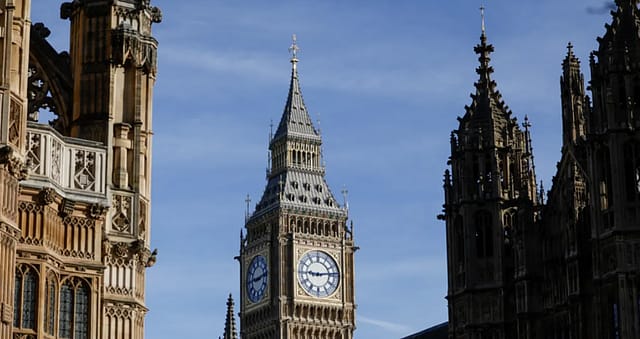
Britain’s House of Commons could one day sit in a different room because of what needs fixing beneath its floor.
The Palace of Westminster’s pipes, cables and other essential systems need an overhaul. Some of that work could disrupt debates and votes even if the Commons stays in the building. Moving both houses out for much of the work is projected to be faster and cheaper, but their temporary homes have to be ready first.
On November 4, the House of Commons Public Accounts Committee, which scrutinises how public money is spent, warned that further delay raises the risk of a serious failure that could endanger lives and interrupt Parliament. Its report puts a price on indecision. It estimates that every year spent putting off the decision could add up to £420 million to the eventual cost of the restoration.

The Era of Forever Wars
30 Oct 2026 - Vol 05 | Issue 44
Coping with an explosive Middle East
Why might MPs have to leave the building?
Because replacing the systems that keep Westminster working is easier when the people who use them are elsewhere. The Palace houses both the Commons, where elected MPs sit, and the House of Lords, the upper chamber. It also has offices and committee rooms that Parliament needs to function. Crews have to be able to reach ageing equipment, shut services down safely and deal with hazardous materials such as asbestos.
Consider a stretch of cable that needs replacing. If the rooms it serves are still in use, workers have to keep power available or arrange a temporary supply. They also need safe routes to get people and equipment in and out. Multiply that problem across a building where lawmakers still need to debate, vote and hold hearings, and the sequence of repairs starts to depend on who can move where and when.
How much difference would moving out make?
The proposals put the total programme at £11.1 billion to £15.6 billion over 19 to 24 years if both houses move out for much of the work. Under the phased option recommended for further study, the estimate rises to £19.5 billion to £39.2 billion over 38 to 61 years. These ranges cover the whole programme, including preparatory work, and the cost estimates include projected inflation. The final bill will depend on what Parliament approves and what the work reveals.
Even the phased option requires some moves. The Lords would leave the Palace for an estimated eight to 13 years. The Commons could use the Lords chamber for up to two years while its own chamber is worked on. That plan would let MPs remain at the Palace, but it would still require crews to work around a functioning legislature.
Where would Parliament go if both houses left?
The current plan would put the Commons on Parliament’s Northern Estate, a group of nearby buildings, and the Lords in the Queen Elizabeth II Conference Centre. Both venues would need to accommodate the business of a legislature, including places to sit and vote and room for the staff who keep proceedings running.
The committee says work on the Northern Estate has been delayed and acquiring the conference centre is taking longer than expected. If the temporary chambers are late, the timetable for work that depends on vacating the Palace is exposed too.
What does the £420 million figure actually measure?
It is the committee’s estimate of how much a year’s delay could add to the lifetime project cost. The running bill is a separate figure. Parliament already spends about £1.5 million a week maintaining the Palace, and the committee expects that to rise to £2 million a week. The two figures capture different pressures on taxpayers: keeping the building usable today and paying for a larger restoration later.
How did India keep Parliament working during its move?
India built a new Parliament building alongside the historic one. Both houses began proceedings in the new building on September 19, 2023, and the old Parliament House was named Samvidhan Sadan. The government cited seating capacity, modern infrastructure and earthquake safety in explaining the decision to build anew. Westminster is working out where its lawmakers can sit temporarily while the historic Palace is restored for parliamentary use.
What will Britain’s lawmakers decide first?
The immediate choice is whether to authorise an initial programme capped at £3 billion over seven years and narrow the four restoration options to two. The money would pay for preparations including temporary chambers and early works. The plan calls for Parliament to choose the final restoration route by 2030. How quickly the Commons and Lords can get their temporary premises ready will help determine when crews can start the work that requires lawmakers to move.