Donald Trump to Visit Beijing in April? What It Means for US-China Relations
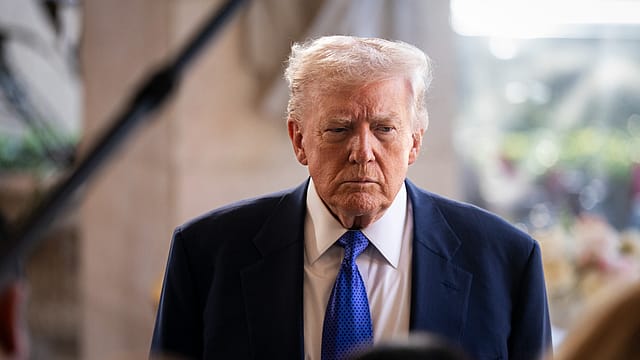
US President Donald Trump is reportedly planning to visit Beijing in April, where he is expected to meet Chinese President Xi Jinping. If confirmed, this would mark Trump’s first visit to China during his second term and a significant moment in bilateral relations.
According to Politico, which cited people familiar with the plan, final dates have not yet been fixed. Trump himself confirmed the visit in an interview with NBC News, saying he would travel to China in April and that Xi would later visit Washington.
Trump stressed the importance of maintaining a strong personal relationship with Xi, calling the US and China “the two most powerful countries in the world.” He said close ties between the leaders were essential for managing competition and cooperation between the two nations.
The announcement comes at a time when relations between Washington and Beijing remain complex, shaped by trade disputes, technology restrictions, and strategic rivalry, even as both sides seek stability through dialogue.

Losing Memory
16 Oct 2026 - Vol 05 | Issue 42
The making of a medical and social emergency
Recent Talks and Focus on Trade Relations
The planned visit follows a 90-minute phone conversation between Trump and Xi on February 4. Trump said the call focused mainly on trade issues and did not cover geopolitical crises such as Iran or Ukraine.
Writing on Truth Social, Trump described the conversation as producing “a very positive conclusion for both countries.” He also revealed that Xi had invited him and the First Lady to visit China, and that he had reciprocated with an invitation to the White House.
China’s state media outlet Xinhua reported that Xi emphasised the importance of China-US relations and highlighted recent communication between the two leaders, including a meeting in Busan that helped set the direction for bilateral ties.
According to China’s Foreign Ministry, Xi urged both sides to seek “win-win” outcomes based on equality and mutual respect. He also called on Washington to remove what Beijing views as negative measures against China.
Xi compared managing bilateral relations to steering a “giant ship,” stressing the need for strong leadership to ensure stability and cooperation.
Ongoing Disputes Over Technology, Trade, and Security
Despite renewed diplomatic engagement, major disagreements continue to strain ties. CNN has reported that Washington had expected Beijing to relax export restrictions on rare earth minerals after earlier talks in Geneva.
These restrictions were imposed in response to Trump’s “reciprocal” tariffs on Chinese goods. However, China has not lifted them, leading to frustration within the Trump administration and prompting new countermeasures.
At the same time, Beijing has criticised US actions targeting Chinese technology and education links. Washington has warned companies against using AI chips produced by Huawei and has limited sales of critical technologies to China.
The US has also announced plans to aggressively revoke visas of Chinese students linked to the Communist Party or studying in sensitive fields, further worsening tensions.
Against this backdrop, Trump’s planned Beijing visit is seen as an effort to manage competition, revive trade negotiations and prevent further deterioration in relations between the world’s two largest economies.
(With inputs from ANI)