Deepavali bags UNESCO’s Intangible Cultural Heritage of Humanity tag
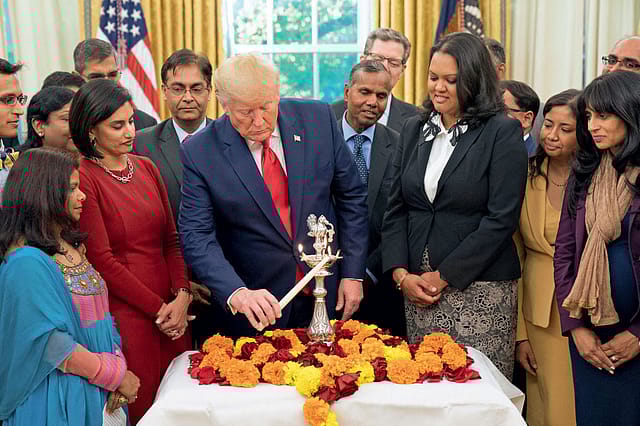
Deepavali is one of the most vibrant and celebrated festivals across the Indian subcontinent and in many parts of the world. This festival of lights symbolises the triumph of light over darkness, good over evil, and knowledge over ignorance. Its cultural richness and deep social significance have now been internationally recognised by UNESCO, which has listed Deepavali as part of the Intangible Cultural Heritage of Humanity.
The decision was taken during a key meeting of UNESCO being hosted at the Red Fort in Delhi.
Prime Minister Narendra Modi welcomed the addition of Deepavali to the UNESCO’s Intangible Heritage List, saying it will contribute to the festival’s global popularity. “People in India and around the world are thrilled,” Modi said in a post on X, responding to a post from UNESCO listing Deepavali in its Intangible Heritage List.
Deepavali’s inclusion in UNESCO’s intangible heritage list highlights more than just the festivities—it honours the living traditions, social practices, rituals, traditional knowledge, and cultural expressions that sustain its unique identity across generations. The festival is observed by millions, cutting across religious and regional boundaries, making it a poignant example of cultural pluralism and unity.
The story behind Deepavali varies among different communities but is rooted in shared themes of renewal and hope. For many Hindus, it celebrates Lord Rama’s return to Ayodhya after his 14 years of exile and his victory over the demon king Ravana, symbolising the victory of righteousness. In Jainism, it marks the nirvana (liberation) of Lord Mahavira, the 24th Tirthankara. Sikhs also celebrate Bandi Chhor Divas, coinciding with Deepavali, commemorating the release of Guru Hargobind Ji from imprisonment. This overlapping celebration reflects the festival’s broad cultural footprint.

Assembly Elections 2026: Race of the Warhorses
20 Mar 2026 - Vol 04 | Issue 63
The making of a summer thriller
The visual spectacle of Deepavali is marked by rows of oil lamps (diyas) illuminating homes and public spaces, vibrant rangoli patterns adorning entrances, joyous fireworks, and prayers in temples and homes. The lighting of lamps symbolises the dispelling of darkness and ignorance, welcoming positivity and spiritual enlightenment. These customs are deeply embedded in community life and passed from generation to generation through oral traditions and family practices, securing the festival’s enduring legacy.
Deepavali’s intangible heritage extends to its culinary traditions, music, dance, and craftwork. Sweets and savoury delicacies prepared during the festival carry ancestral recipes, while traditional songs and dances provide a medium to share stories and heritage. Artisans contribute by crafting lamps, decorative items, and festive attire, highlighting regional diversity within the shared celebration.
UNESCO’s recognition seeks to safeguard this intangible heritage amid the pressures of modernisation and globalisation. It encourages communities to maintain authentic expressions of the festival and promote awareness of its cultural significance worldwide. Such recognition also paves the way for cultural tourism and educational programmes, fostering pride and cultural continuity.
The inclusion of Deepavali in UNESCO’s intangible heritage list offers a global platform to appreciate this festival’s rich traditions and encourages cultural dialogue between societies. It represents a step forward in preserving not just a festival but a living cultural phenomenon that continues to inspire millions with its message of light prevailing over darkness, hope over despair, and unity in diversity.
By honouring Deepavali through this prestigious acknowledgment, UNESCO has helped ensure that future generations worldwide can experience and celebrate one of humanity’s most radiant and profound cultural treasures.