Can You Actually Be Allergic to Another Person? Here’s What Science Says
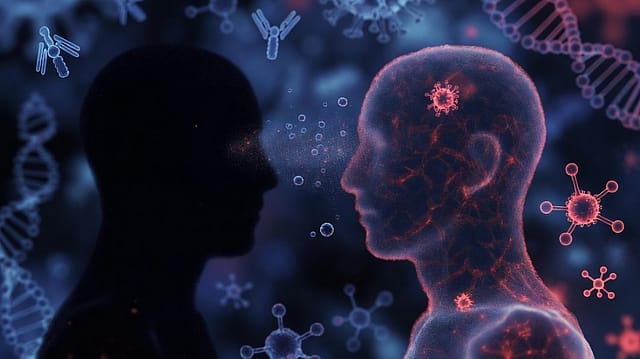
The idea of being allergic to a person sounds like a figure of speech. But it is, in rare cases, a documented medical reality.
Human allergies occur when the immune system treats biological material from another person as a threat, triggering allergic reactions that range from mild irritation to severe systemic responses.
What Happens Inside the Body During Human Allergies?
When the immune system encounters a perceived threat, it produces antibodies. With human allergies, those triggers are biological materials from another person, such as proteins in saliva or skin secretions.
The body then releases histamine, producing symptoms that mirror conventional allergic reactions.
Can Someone Really Be Allergic to a Person's Skin?
According to Liv Hospital, research has found that human skin releases gases including petrochemicals, organosulfur compounds, and aldehydes.
In some individuals, these emissions are reported to trigger reactions in those nearby. This underpins what researchers describe as PATM, or People Allergic to Me phenomenon, where one person's skin gas profile is claimed to cause others to experience irritation or breathing difficulties.
Is Saliva a Recognised Trigger for Allergic Reactions?
Yes. Some individuals are allergic to proteins in another person's saliva, causing itching, swelling, or skin irritation upon contact.

The Great Indian Male Makeover
03 Jul 2026 - Vol 05 | Issue 27
The craze for a perfect look is reshaping masculinity
Food allergens consumed by one person can also appear in their saliva and provoke a reaction in someone with a corresponding food allergy.
Can Seminal Fluid Cause Allergic Reactions?
A condition known as human seminal plasma hypersensitivity is documented in medical literature.
The immune system reacts to proteins in seminal fluid, causing symptoms from localised irritation to more severe responses. Management typically involves barrier protection, with immunotherapy considered in persistent cases.
What Is Mast Cell Activation Syndrome and How Does It Connect?
Mast Cell Activation Syndrome, or MCAS, involves the overactivation of mast cells.
Reportedly, repeated exposure to certain human proteins may sensitise some individuals with MCAS, though person-specific reactions based on unique biochemical makeup remain unproven.
Are Most Reactions Caused by Products, Not People?
Frequently, what appears to be an allergic reaction to a person is actually a response to their perfume, cosmetics, or laundry detergent.
Distinguishing true human allergies from product-related allergic reactions requires careful elimination and patch testing.
How Are Human Allergies Diagnosed and Treated?
Diagnosis involves skin prick tests and blood tests detecting IgE antibodies. Antihistamines and corticosteroids help manage symptoms. Medical advice should always be sought if symptoms escalate.
(With inputs from yMedia)