Balochistan in Turmoil: Why the Pak Army Is Losing Control
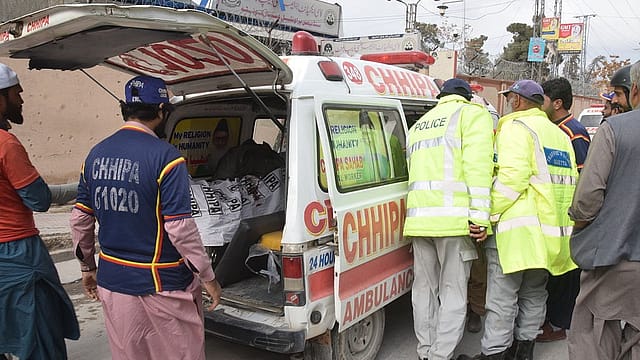
Balochistan is witnessing a sharp escalation in violence, dissent and repression—where insurgent attacks, state force, and voices of protest are colliding in a deepening political and humanitarian crisis.
What triggered the latest escalation in Balochistan?
The immediate flashpoint is Operation Herof Phase II, launched by the Balochistan Liberation Army (BLA), which the group describes as a coordinated offensive across multiple districts, including Quetta, Noshki and Shaal. According to the BLA, its fighters have carried out sustained attacks on Pakistani security forces and infrastructure, marking one of the most intense phases of insurgent activity in recent years.
Why is Operation Herof Phase II drawing unusual attention?
Because of who is visible on the battlefield. The BLA released videos and images showing female fighters participating in combat—most notably Hawa Baloch, whose footage was reportedly recorded hours before she was killed, and Asifa Mengal, whom the group claims carried out a suicide bombing targeting an ISI facility. The BLA frames this as ideological commitment. Critics see it as a sign of radicalisation driven by prolonged conflict and repression.

Zeroing In on ECI
09 Oct 2026 - Vol 05 | Issue 41
Constitutional legitimacy versus political opportunism
What is the BLA claiming about its operations?
The BLA says it has maintained positions across multiple districts for over 35 hours. It temporarily detained and later released local officials on “humanitarian grounds,” and inflicted heavy casualties on Pakistani forces. These claims are unverified and disputed by the state, but they underline the group’s attempt to project control and legitimacy.
How is Pakistan responding to the violence?
Through force, silence, and denial, critics argue. Pakistani authorities have imposed media restrictions, limited independent reporting, and continued security operations across the province. Official narratives emphasise counterterrorism, while offering little public accountability or political outreach.
What are civil society voices saying?
Some of the sharpest criticism is coming from within Pakistan. Activist Jibran Nasir warned that the state’s refusal to confront its own policies is deepening the crisis.
“Force can only produce a pause, not peace,” he said, arguing that denial, repression and blame-shifting prevent any durable resolution.
Why are enforced disappearances central to the crisis?
Because they have become systemic and increasingly gendered. Human rights activist Mahrang Baloch says the enforced disappearance of Baloch women marks a dangerous escalation. Once primarily targeting men, the practice now reportedly affects students, minors, pregnant women and persons with disabilities. She describes this as collective punishment, where identity itself becomes criminalised.
Why are women emerging as central figures on both sides?
For opposite reasons, but the same cause: prolonged repression. In civil society, women have led protests, filed petitions, and documented abuses after male relatives disappeared. In militant groups, women are now visible as fighters—reflecting how cycles of violence reshape roles and resistance. What unites both is a breakdown of trust in institutions meant to deliver justice.
Is this just a security problem?
No, and that’s the core issue. Balochistan’s conflict is rooted in political marginalisation, economic exploitation and long-running human rights abuses. Militancy is a symptom. So is repression. Without dialogue, accountability and political inclusion, analysts warn the cycle will only intensify.
What’s the larger takeaway from this moment?
Balochistan is being spoken about only through force. As long as guns dominate the conversation and voices are silenced, peace will remain temporary, and violence will keep finding new forms.
(With inputs from ANI)