EXPLAINED | INDIA Bloc’s Ramlila Rally: A 5 PM Deadline and 6 Key Police Rules
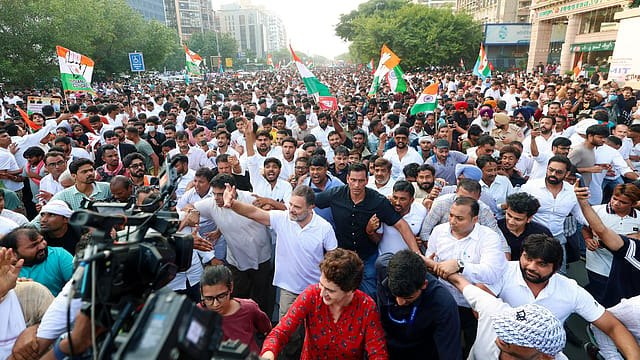
The INDIA bloc’s November 1 rally at Delhi’s Ramlila Maidan has a fixed closing time: 5 pm. Participants must then begin leaving. No overnight stay is allowed, and the gathering cannot turn into a march through the capital.
Delhi Police has clarified that its no-objection certificate remains valid, subject to compliance with its conditions and prior permission from the land-owning authority. The clarification followed Congress allegations that authorities were obstructing its protest programme.
The Congress-led opposition alliance is mobilising against alleged electoral irregularities, including in the Special Intensive Revision (SIR) of voter lists. Its leaders have demanded the resignation of Chief Election Commissioner Gyanesh Kumar.
Here are the police requirements, six key areas, and what they mean for the rally.
When and where is the INDIA bloc rally?
The rally is scheduled for Sunday, November 1, 2026, from 10 am to 5 pm at Ramlila Maidan in Delhi. The police communication, dated October 17, addresses a request to book the ground from October 25 to November 3. That wider booking period does not extend the rally’s permitted hours or allow participants to camp overnight.

Look Who's Talking Regime Change
23 Oct 2026 - Vol 05 | Issue 43
What are the six key Delhi Police conditions?
1. Finish by 5 pm; no overnight stay
The programme must end by 5 pm, with dispersal beginning immediately afterwards. Organisers cannot extend the event or allow participants to stay overnight before or after the rally.
2. Install CCTV cameras and a control room
High-definition cameras must cover entry and exit gates, the stage, seating enclosures and other important locations. Organisers must provide recording facilities and a dedicated control room with at least five monitoring screens.
3. Keep the rally inside Ramlila Maidan
The clearance does not permit a march from the ground to another destination. Organisers must keep the gathering peaceful and prevent disorder.
4. Stop speeches that threaten public harmony
Speakers must not make remarks concerning caste, creed or colour that disturb public harmony. If a speech becomes instigating or intimidating, organisers must switch off the public-address system and remove the speaker from the stage.
5. Provide water, toilets, volunteers and designated parking
Organisers must arrange drinking water, sufficient toilets, separate facilities for women and identifiable volunteers. Buses and other vehicles must use parking locations designated by traffic police.
6. Share event details and follow police instructions
Police must receive lists of invitees and volunteers, a minute-by-minute programme and details of arriving buses, including registration numbers. Organisers must cooperate with officers and comply with subsequent directions.
Why is the opposition holding the rally?
The rally forms part of the INDIA bloc’s campaign against alleged irregularities in electoral rolls and the Election Commission’s SIR exercise.
SIR stands for Special Intensive Revision, an exercise to verify and update voter lists. Congress and its allies have challenged the conduct of the process and accused the Election Commission of failing to protect electoral fairness.
The November 1 gathering is part of the opposition’s wider “Vote Bachao, Desh Bachao” campaign. The allegations remain contested. Police clearance concerns the conduct of the gathering and does not establish the claims behind it.
Has Delhi Police withdrawn permission?
No. Delhi Police said on October 27 that its NOC had not been withdrawn.
The certificate was issued from the law-and-order perspective. Organisers must still meet its conditions and obtain the required permission from the land-owning authority.
That distinction matters: a police NOC is one part of the approval process. It does not remove the need for other permissions.
What happens if organisers breach the conditions?
Police have warned that non-compliance could lead to revocation of the NOC or legal action. Organisers are responsible for crowd arrangements, adherence to the permitted timings and compliance with police directions.
The immediate requirements are clear: end the programme by 5 pm, begin dispersal, prevent an unauthorised march and keep the stipulated security and public facilities operational.