The Diabetes Epidemic Hiding Inside India’s ‘Healthy’ Bodies
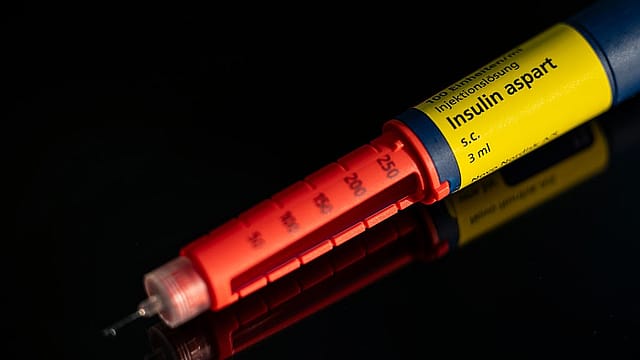
A weighing scale can reassure an Indian adult while their pancreas is losing the argument.
The shirt still fits. The body mass index remains within a range commonly described as normal. There is no unusual thirst, no obvious tiredness and no dramatic weight loss. A blood test is postponed because diabetes is imagined as a disease that announces itself through obesity or symptoms.
That is how a large part of India’s epidemic hides.
Type 2 diabetes can develop gradually and remain silent for years. During that interval, persistently high blood glucose can injure blood vessels supplying the heart, kidneys, eyes and nerves. By the time symptoms appear, the disease may no longer be the only problem requiring treatment.

The Wealth Issue 2026
06 Nov 2026 - Vol 05 | Issue 45
Portraits of Dreamers and Doers under 35
The World Health Organization chose “Early action on diabetes” as the theme for World Diabetes Day on November 14, 2026. Its warning is global: more than 40 per cent of people living with diabetes do not know they have it. In India, the latest International Diabetes Federation estimate places that hidden population at approximately 38.6 million adults.
India’s crisis is, therefore, not contained within the number of people already taking tablets, injecting insulin or visiting clinics. It also lives among millions who feel well, look lean and have never considered themselves candidates for a glucose test.
How large is India’s diabetes burden?
Two authoritative estimates are frequently quoted, and their difference needs explanation.
The IDF Diabetes Atlas estimates that 89.8 million Indians aged 20 to 79 were living with diabetes in 2024. That is more than double the 32.7 million estimated in 2000. If current trends continue, the number could reach 156.7 million by 2050. The IDF also estimates that 43 per cent of Indian adults with diabetes remain undiagnosed.
The ICMR-INDIAB study, published in The Lancet Diabetes & Endocrinology in 2023, estimated that 101.3 million Indians had diabetes and 136 million had prediabetes. It drew upon a representative survey of more than 113,000 adults across the states and Union Territories and reported a national diabetes prevalence of 11.4 per cent.
The figures should not be added together or treated as rival counts from the same exercise. They cover different reference periods and populations and use different estimation methods. Both reach the same conclusion: India is carrying an immense diagnosed and undiagnosed burden, with an even larger population moving through intermediate stages of abnormal glucose regulation.

Calling India the “diabetes capital of the world” adds little. China currently has more adults living with the disease. India’s more consequential story is the speed, age and biological profile with which diabetes is spreading.
The problem with looking “healthy”
Body mass index divides weight by height. It is useful for population assessment, but it does not reveal where fat is stored, how much skeletal muscle a person has or how effectively the pancreas can continue producing insulin.
South Asians often develop type 2 diabetes at a younger age and lower BMI than White European populations. Researchers describe a pattern involving greater abdominal and ectopic fat, particularly fat stored around organs and in the liver, combined with lower skeletal muscle mass and a faster decline in the insulin-producing capacity of pancreatic beta cells.
This creates a body that may look relatively lean while carrying considerable metabolic risk. A waist measurement can therefore reveal danger that total weight misses. Muscle also matters because it is one of the body’s principal sites for using glucose. Lower muscle mass reduces that metabolic capacity.
A 2024 Nature Medicine study of more than 50,000 British Pakistani and British Bangladeshi participants connected earlier diabetes to genetic susceptibility involving insulin deficiency and unfavourable fat distribution. People with high genetic risk for both were diagnosed about eight years earlier and at a BMI three units lower than those at low risk. The same pathways were associated with quicker progression to insulin dependence and complications.
Genes do not make diabetes inevitable, and South Asians are not biologically identical. Diet, activity, sleep, stress, income, neighbourhood design, pollution and access to healthcare shape risk. The research does show why an obesity-only message is inadequate for India.
“You are not fat” is not a blood test.
India’s epidemic is moving beyond affluent cities
Diabetes was once widely portrayed in India as an urban disease of wealth. That picture has become dated.
The ICMR-INDIAB study found higher diabetes prevalence in urban India, but prediabetes was extensive across the country and rural areas were catching up. The disease had begun stabilising in some economically advanced states while continuing to increase across many states with lower human-development indicators.
Goa recorded diabetes prevalence of 26.4 per cent, followed closely by Puducherry at 26.3 per cent and Kerala at 25.5 per cent. Uttar Pradesh stood at 4.8 per cent, yet its lower diabetes-to-prediabetes ratio suggested a large population still travelling towards the disease.
This difference matters for policy. Kerala needs intensive control of established diabetes and its complications. States with large prediabetic populations have a rapidly closing prevention window. A single national message cannot adequately serve both.
India’s changing food and work environments are accelerating that transition. Refined carbohydrates, sugary drinks and inexpensive ultra-processed foods coexist with sedentary employment, motorised travel and shrinking opportunities for routine physical activity. These influences operate alongside less visible pressures. A cohort study covering 12,064 adults in Delhi and Chennai found that every 10 microgram per cubic metre increase in annual PM2.5 exposure was associated with a 22 per cent higher risk of developing type 2 diabetes. Air pollution is not a substitute explanation for diet or activity, but it shows that individual willpower cannot carry the entire prevention burden.
Prediabetes is a warning, not a harmless waiting room
Prediabetes describes blood glucose that is above the normal range but below the diagnostic threshold for diabetes. It does not guarantee progression. It does identify an opportunity to intervene.
For India, that opportunity involves an estimated 136 million people under the ICMR-INDIAB calculation. Indian trials have demonstrated that structured lifestyle intervention and, for selected high-risk people, metformin can delay or prevent progression. The Indian Diabetes Prevention Programme reported a relative risk reduction of about 28.5 per cent through lifestyle modification over three years. Later work found that Indians with combined impaired fasting glucose and impaired glucose tolerance could face an annual progression risk above 20 per cent, highlighting the speed with which the window can close.
Prevention cannot be reduced to ordering everybody to lose a large amount of weight. A relatively lean person may need greater physical activity, improved diet quality, less abdominal fat and more muscle, along with clinical assessment of glucose, blood pressure and lipids. The correct intervention depends upon the person’s risk and medical condition.
Diagnosis is only the first broken link
Finding diabetes does not guarantee that it will be treated or controlled.
A national analysis of 1.65 million adults surveyed between 2019 and 2021 estimated that 74.2 per cent of adults with diabetes had been diagnosed. Among those diagnosed, 59.4 per cent reported taking medication and 65.5 per cent met the study’s glucose-control definition. Only 76 of the 707 districts studied met the WHO target for control among people who had been diagnosed.
The gaps were greater among younger adults, rural residents and poorer households. Most variation occurred within states rather than between them, which means a strong state average can conceal districts where diagnosis or control is failing.
India has built a substantial screening platform. National guidelines target everyone aged 30 and above for diabetes and hypertension screening through Ayushman Arogya Mandirs and other facilities. Government data showed more than 36 crore diabetes screenings had been conducted by October 31, 2025.
The scale is impressive, but a screening count is not a care continuum. A person with an abnormal result needs confirmatory diagnosis, affordable medicines, regular monitoring and periodic checks of the kidneys, eyes, feet, blood pressure and cholesterol. Each missed handoff allows the disease to continue.
The bill arrives through other organs
Diabetes rarely causes its greatest damage in isolation. It increases the risk of heart attack, stroke, chronic kidney disease, vision loss, nerve damage, foot ulcers and amputation.
India’s national diabetic-retinopathy survey found retinal disease in 16.9 per cent of people with diabetes. One-third of the survey’s diabetes cases were discovered during the study itself. That pairing captures the detection problem: some people learn they have diabetes only when researchers or doctors begin looking for the damage it has already caused.
The household cost can be punishing. A nationally representative expenditure analysis found that nearly 38 per cent of households containing a person with diabetes experienced catastrophic health spending under the study’s definition. Around 10 per cent were pushed below the poverty line, while almost half of households paying for inpatient care relied upon distressed financing. Medicines formed one of the largest shares of spending.
Earlier onset lengthens the years during which complications and costs can accumulate. A person diagnosed at 38 may require several decades of medication, monitoring and complication prevention. For a country with a large working-age population, young-onset diabetes is also a productivity problem.
India must stop waiting for diabetes to look obvious
The ICMR recommends diabetes screening for all adults above 30, with earlier testing for people carrying risk factors such as a family history, BMI of at least 23, increased waist circumference, hypertension, abnormal lipids, sedentary behaviour, cardiovascular disease, polycystic ovarian syndrome or a history of gestational diabetes.
That recommendation acknowledges an Indian reality that public messaging has been slower to absorb. Screening cannot begin only after substantial weight gain or classic symptoms. Waist circumference, family history, pregnancy history and metabolic markers can matter even when BMI appears reassuring.
The policy response must also extend beyond annual awareness camps. Primary-care facilities need dependable testing supplies and medicines. Abnormal results need follow-up. Cities need safe places to walk and move. Food policy must make healthier choices affordable rather than merely instructing citizens to find them. Workplaces need to treat prevention and continuing care as productivity infrastructure.
Stigma deserves attention too. Diabetes is often framed as punishment for personal indulgence. That judgement can discourage testing, conceal diagnoses and ignore the interaction of biology, commercial food environments, poverty, working conditions and access to care. Personal choices influence risk, but blame has never functioned as a health system.
World Diabetes Day will produce blue circles, screening camps and familiar warnings about sweets. India needs a more disruptive message.
The person at risk may not look ill. The person with diabetes may not feel ill. A normal-looking body may still contain excess liver fat, insufficient muscle and a pancreas losing its ability to compensate.
India’s diabetes epidemic is hiding in plain sight because the country continues to look for a shape instead of testing for a disease.