Life After Cancer Treatment: Managing Fatigue, Fertility, Mental Health and Long-Term Recovery
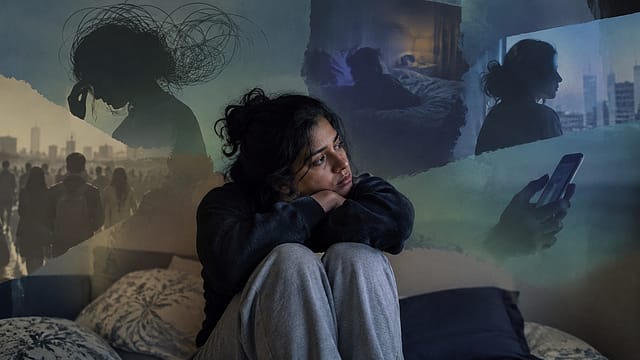
Going through cancer therapy is an important milestone for patients. It brings a sense of calm in addition to hope of life after this. Patients, however, do not simply walk away from the therapy pain-free. Even after the end of therapy, patients may have to deal with physical and emotional problems for months or years to come.
Different parts of the body get affected through cancer therapy, and it may change a person's perception of the world, relationships and future. Hence, it is clear that full recovery takes time, and every patient’s experience is different. Hence, knowing about changes the patient’s body goes through and obtaining necessary help leads one to the normal life they had.

The Wealth Issue 2026
06 Nov 2026 - Vol 05 | Issue 45
Portraits of Dreamers and Doers under 35
Why Recovery Takes Time
The treatment of cancer can be taxing for the body, no matter if it involves surgery, the use of cancer drugs or radiation. Even after treatment is completed the body still needs time to recover.
Some patients may feel tired, experience pain, have appetite or sleep disorders, or have just difficulties in getting back to their everyday routine. Others may be anxious and tired but these changes do not indicate that recovery is not happening. In most cases, recovery takes a lot of time. The necessary recovery period depends on the type of cancer, treatment methods used, the health state of the patient, etc. So it is not wise to compare the duration of recoveries of different patients.
Managing Fatigue After Cancer Treatment
Fatigue is one of the most common issues faced by cancer patients. It is important to understand that fatigue is different from just tiredness. You can be well-rested and yet suffer from fatigue. Even the easiest tasks of daily life can be impossible to accomplish because of fatigue.
Several factors linked to treatment, including sleep disturbances, reduced blood count, body pain, anxiety, and other health concerns may be to blame for fatigue. If a patient experiences fatigue that gets worse instead of better, they should contact their physician to find the underlying cause of the problem.
There are many treatment options available for fatigue caused by cancer. Patients should walk short distances at the beginning of their recovery process and gradually increase the levels of their activity. Proper and healthy nutrition, enough hydration, and following good daily routine can also help cancer sufferings to cope with fatigue.Therapeutic physical activity will help patients recover their strength if the doctor permits it.
Fertility and Reproductive Health After Cancer
An additional essential issue regarding cancer survivors is fertility, particularly for individuals intending to have kids later in life. Certain cancer therapies could affect ovarian capacities, egg extraction, uterus capabilities, or sperm production. The influence depends on the individual's age, cancer type, and type of treatment received.
Some people suffer from changes in the menstrual cycle, early menopause, or lower fertility levels. The effects can also be observed in men when sperm output can be altered. However, the degree of impact is different from one person to another. Fortunately, the fertility levels can restore in some cases.
Ideally, the discussion on fertility should be conducted with patients before treatment initiation. If eligible, patients may utilize such options as egg, sperm, or embryo freezing. Nevertheless, interested people can approach their oncologists together with fertility specialists post-treatment in order to find out available options.
Patients should feel free to discuss changes in sexual life, intimacy, and hormones, as these issues are of high relevance for the recovery process and should not be disregarded.
Taking Care of Mental Health
Completing cancer treatment can be a relief, but it can also create new fears. During treatment, people undergoing it have a schedule for visiting doctors and getting medications. When cancer treatment ends, they may feel confusion about what will happen next.
Some patients are concerned about a possible recurrence of cancer, which can lead to worrying about future visits to the doctor. Other patients are simply sad, angry or feel isolated when they realize it may take longer than expected to resume their normal life.
Family members often believe the patient is totally fine as soon as treatment has come to an end. Emotional recovery may, however, need more time.
It may help to talk to friends and relatives about feelings. Cancer patients may also find it helpful to consult a psychologist or join a support group. If patients are still suffering from anxiety or depression, they should seek professional help.
The Importance of Follow-Up Care
Receiving treatment does not mean that the patient does not have to go through medical follow-ups. Going for regular appointments with the doctor helps to track the patient’s progress and treatment effectiveness, side effects, and symptoms of cancer relapse if necessary.
The follow-up process may include physical examinations, blood work, imaging, tests, and other procedures based on patient’s health condition and medical history. It is important for patients to keep follow-up appointments made by their doctors regardless of other examinations that may be unnecessary. Cancer survivors should always inform their doctor about any unusual symptoms of their condition such as unexplained pain, swelling, change in appetite, and fatigue. The survivorship care plan is a document that gives information about the patient’s treatment history, anticipated side effects, and follow-up appointments.
Returning to Daily Life
Patients must be cautious when they go back to work after undergoing treatment for cancer, taking care of domestic chores, interacting socially, or taking up physical activities. While some patients believe that they are ready to get back to their previous lives quickly, others may require an extended, gradual process.
A few simple tips can help on this difficult journey. It’s vital that patients stick to a healthy diet, exercise strictly according to their doctor’s recommendations, get enough rest, and avoid smoking. Patients should also remember that they are required to come to regular check-ups with their doctors where they can update the medical staff about their condition if needed.
It’s important to set realistic goals from a series of simple activities to the more complex ones. Family members can support patients in this effort by being patient and understanding that everyone has their own needs.
Overall, it is crucial that cancer patients pay attention to their health condition and have conversations with a doctor about the right time for them to go back to their work, take a trip, start exercising, etc., especially regarding any side effects experienced by them.
Recovery Is More Than Completing Treatment
Recovering from cancer is a long process that continues well after the end of the treatment process. It is vital to take into account several factors, including physical health, psychological state, ability to give birth, as well as many other things. There is no strict time frame for the recovery process; everyone can take the time they need to recover. Good doctors, good psychological support, and a healthy lifestyle are the main elements of recovery.