Why India’s First Ganges Dolphin Tagging Matters More Than You Think
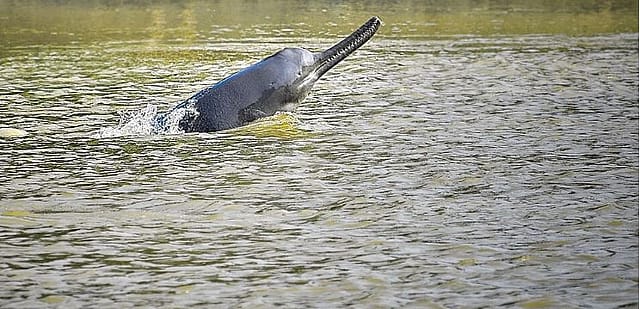
On December 18, 2024, India quietly crossed a global first in wildlife conservation. In Assam’s Kulsi River, a sub-adult Ganges river dolphin was fitted with a satellite tag and released back into the wild. It wasn’t just a tagging exercise. It was a shift in how India understands its rivers through the fate of the species that depend on them most.
What exactly happened in Assam?
For the first time globally, a Ganges river dolphin was satellite-tagged. The 32-kg sub-adult dolphin was fitted with an Argos-compatible transmitter and released into the Kulsi River in Assam’s Brahmaputra basin, enabling scientists to track its movements in real time.
Who is leading this initiative?
The project is led by the Wildlife Institute of India (WII) under Project Dolphin, in collaboration with the Assam Forest Department and conservation NGO Aaranyak. The aim is to move dolphin conservation from static surveys to dynamic, data-driven science.
What kind of data will satellite tagging generate?
The tags transmit signals whenever dolphins surface—even for 5 to 30 seconds—revealing seasonal movement patterns, habitat use, migration routes, and exposure to threats such as shallow waters, pollution, and river fragmentation.
What do the latest dolphin population numbers show?
India’s first comprehensive dolphin survey (2021–23) recorded 6,327 river dolphins across eight states, with 6,324 being Gangetic dolphins. Uttar Pradesh leads with 2,397 dolphins, followed by Bihar and West Bengal. Despite recovery since 2014, mortalities from bycatch and habitat stress remain high.

Travel Issue 2026
15 May 2026 - Vol 04 | Issue 71
The Cultural Traveller
Why are river dolphins considered ecosystem indicators?
Dolphins sit at the top of the river food chain. Studies show dolphin density closely mirrors water quality, fish abundance, and river health. Where dolphins thrive, rivers are usually cleaner, freer-flowing, and ecologically resilient.
What are the biggest threats to Ganges dolphins today?
Dams, barrages, pollution, sand mining, and untreated sewage have fragmented dolphin habitats into isolated pockets. Infrastructure like the Farakka Barrage has cut off historical migration routes, increasing genetic vulnerability and mortality.
How does climate change worsen the crisis?
Rising temperatures and erratic monsoons reduce water depth, concentrate pollutants, and trigger mass die-offs—as seen in Amazon river dolphins during extreme heat events. For dolphins that cannot migrate easily, climate shocks are often fatal.
What happens next in India?
The Environment Ministry plans to expand tagging across key river systems, including the Chambal. The data will guide evidence-based conservation zones, targeted pollution control, and infrastructure planning that accounts for dolphin movement and survival.
(yMedia is the content partner for this story)