Union Budget 2026 push for MSMEs aims to boost informal sector incomes, rural demand
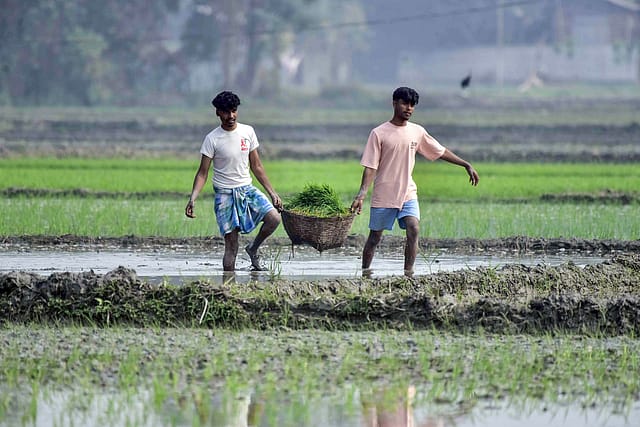
Union Finance Minister Nirmala Sitharaman has sought to put more money in the hands of Indians employed in the informal sector by offering greater opportunities for entrepreneurs running small and medium enterprises to avail of loans, a move that is expected to expand the rural economy and the purchasing power of those who live in the countryside.
Stating that the government was committed to creating “Champion SMEs” and supporting micro enterprises, Sitharaman announced a dedicated ₹10,000 crore SME Growth Fund. She also proposed to top up the Self-Reliant India Fund set up in 2021 with ₹2,000 crore to continue support to micro enterprises and maintain access to risk capital.
This, in a way, is a blessing for the MSME sector which has often been plagued by lack of access to credit.
The Finance Minister also said that with “TReDS”, more than ₹7 lakh crore has been made available to MSMEs. Trade Receivables Electronic Discounting System (TReDS) is an RBI-regulated digital platform that enables MSMEs to discount invoices with multiple financiers (banks/NBFCs) to secure immediate working capital.
To leverage its full potential, she proposed four measures: mandate TReDS as the transaction settlement platform for all purchases from MSMEs by central public sector enterprises, serving as a benchmark for other corporates; introduce a credit guarantee support mechanism through Credit Guarantee Fund Trust for Micro and Small Enterprises (CGTMSE) for invoice discounting on TReDS platform; link GeM (Government e Marketplace) with TReDS for sharing information with financiers about government purchases from MSMEs, encouraging cheaper and quicker financing; and introduce TReDS receivables as asset-backed securities, helping develop a secondary market, enhancing liquidity and settlement of transactions.

I.N.D.I.A. Falling
12 Jun 2026 - Vol 04 | Issue 75
The Unravelling of an Alliance
Notably, those employed in the informal sector, especially small and micro units, have found it nearly impossible to transit from informal to formal status. A global study published by the United Nations University some years ago that analysed this trend during the high-growth period between 2004-05 and 2011-12 had said that upward mobility for unorganised workers was far less than expected, with women and lower castes facing enormous hurdles and getting confined to what the report called “dead-end” work status. The Modi government has promised that all that is set to change thanks to what they call poor-friendly policy initiatives.