Three years after Manipur violence, Supreme Court asks: How did 25 people die in relief camps?
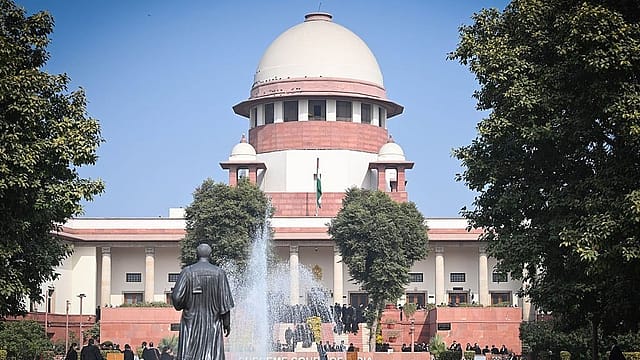
More than three years after ethnic violence tore through Manipur, the state's relief camps are back under the national spotlight. This time, the focus is not on fresh clashes but on a troubling question: how did 25 people living in camps meant to provide safety end up dying under unexplained circumstances?
On Thursday, the Supreme Court sought a comprehensive report from the Manipur government on the deaths, expressing concern over reports of inadequate investigations, limited post-mortem examinations and questions surrounding compensation paid to affected families. The development has once again brought attention to the long and unfinished humanitarian story of Manipur's 2023 conflict.

Zeroing In on ECI
09 Oct 2026 - Vol 05 | Issue 41
Constitutional legitimacy versus political opportunism
Supreme Court seeks answers on 25 deaths in Manipur relief camps
Hearing a batch of petitions linked to the investigation and trial of sexual violence cases arising from the 2023 Manipur unrest, a bench led by Chief Justice of India Surya Kant directed the state's Chief Secretary to submit detailed information on all 25 reported unnatural deaths. The court asked for post-mortem reports, documents establishing the causes of death and details of steps taken to prevent similar incidents in relief camps.
The bench also questioned why post-mortem examinations had reportedly been conducted in only 20 of the cases and sought an explanation regarding compensation reportedly ranging between Rs 20,000 and Rs 30,000 in some instances. According to reports placed before the court, concerns were also raised about an alleged sexual assault incident linked to camp residents.
During the hearing, the Chief Justice reportedly told the state's counsel: "Tell your Chief Secretary not to invite orders. Tell us what measures you have taken."
A committee report has triggered fresh scrutiny
The latest judicial intervention follows findings flagged by a committee headed by former Jammu and Kashmir High Court Chief Justice Gita Mittal. The committee was constituted by the Supreme Court in August 2023 to oversee humanitarian issues arising from the violence, including rehabilitation, relief camps, compensation and support for survivors of sexual violence.
According to the committee report discussed in court, there were references to deaths in relief camps and concerns over compensation and camp conditions. The court directed the state government to explain what remedial measures have been taken to ensure the safety, dignity and well-being of internally displaced persons.
The Manipur Legal Services Authority has also been asked to ensure FIRs are registered in all cases of unnatural deaths, that causes of death are properly established and that investigations are completed expeditiously.
Why Manipur's relief camps remain a major concern
The violence that erupted in May 2023 between Meitei and Kuki-Zo communities displaced tens of thousands of people and led to one of India's worst episodes of internal unrest in recent years. The Supreme Court has been monitoring investigations, relief efforts and rehabilitation measures ever since.
Over the past three years, the court-appointed Justice Gita Mittal committee has repeatedly highlighted issues relating to camp conditions, medical facilities, compensation and rehabilitation. Earlier this year, the Supreme Court also sought reports on alleged deficiencies in relief camps and claims that thousands of affected families were yet to receive benefits under government rehabilitation schemes.
What happens next in the Manipur violence case?
The Supreme Court's latest order means the Manipur government must now provide a detailed account of each of the 25 deaths and explain what safeguards exist for those still living in relief camps. The court has also sought information on medical facilities, daily necessities and measures to protect displaced people from further harm.
For many families who have spent years in temporary shelters, the questions raised in court go beyond legal procedure. They touch on a larger issue: whether the promise of safety and rehabilitation made after the 2023 violence has truly reached those still living with its consequences. As the Supreme Court presses for answers, the focus is once again on the people who remain caught in the long shadow of Manipur's unrest.
(With inputs from ANI)