QUICK TAKE | Why Does India Celebrate Children’s Day on November 14? Seven Things to Know
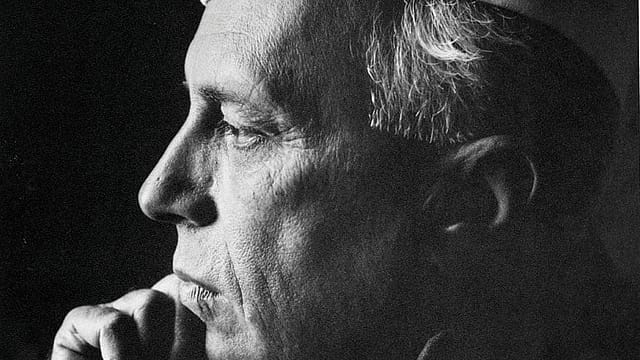
1. Why November 14?
Jawaharlal Nehru was born on November 14, 1889, in Allahabad, now Prayagraj. India marks his birth anniversary as Children’s Day, or Bal Diwas. Nehru became independent India’s first prime minister in 1947 and held the office until his death in May 1964.
2. Was Bal Diwas first celebrated after Nehru died?
The date was already in use during his lifetime. The Nehru Archive records a Children’s Day rally at New Delhi’s National Stadium on November 14, 1957, where Nehru addressed children directly. That puts a documented celebration on his birthday seven years before his death.
3. What did Chacha Nehru tell children that day?
He asked them to forget slogans such as “Chacha Nehru Zindabad” (Long live Uncle Nehru). He turned their attention to what they could do for India as they grew up, telling them that a country this large would ask much of them.
4. Why does the UN mark World Children’s Day on November 20?
Two milestones in children’s rights share that date. The UN General Assembly adopted the Declaration of the Rights of the Child on November 20, 1959, and the Convention on the Rights of the Child exactly 30 years later.

The Wealth Issue 2026
06 Nov 2026 - Vol 05 | Issue 45
Portraits of Dreamers and Doers under 35
5. Can countries choose their own date?
Yes. When the UN General Assembly recommended an annual children’s day in 1954, it left governments free to choose the date and manner of observance. India’s Bal Diwas and the UN’s World Children’s Day fall six days apart.
6. What rights does the UN convention recognise?
Children have the right to education, health and protection from violence. The convention also recognises their right to play and to express their views on matters affecting them, with those views given due weight according to their age and maturity.
7. What does the right to education mean in India?
The Right to Education Act guarantees free and compulsory elementary education for children aged six to 14. The law includes a provision for children who have never enrolled or dropped out. They can be admitted to a class appropriate for their age and receive special training to help them catch up.