That "Best Quality" Sticker on Your Mango Could Be Slowly Poisoning You, Claims FSSAI
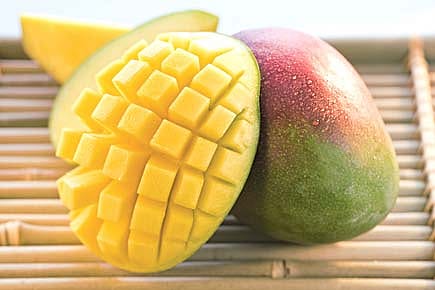
That sticker on your apple or mango may look like a quality certificate, but India's top food regulator says it could be quietly harming you.
FSSAI has issued a fresh advisory cautioning consumers about the health risks of adhesive residue left by stickers on fruits and vegetables.
What Did FSSAI Say?
FSSAI issued a renewed warning on April 2 via its official social media channels, stating that the adhesive used in fruit stickers is not fit for consumption and can leave harmful residue on the skin of the produce.
Why Are Stickers Put on Fruits in the First Place?
Internationally, stickers, often called PLU (Price Look-Up) labels, help identify produce type, organic status, and assist with billing. According to FSSAI's advisory, however, Indian traders reportedly use them more to project a 'premium' image or, worse, to conceal defects and decay.
Is the Sticker Itself Dangerous?
The sticker material may be food-grade, but the adhesive is not. FSSAI claims that the safety of adhesives used on stickers in India is largely unverified, making them a potential chemical hazard.

Look Who's Talking Regime Change
23 Oct 2026 - Vol 05 | Issue 43
What Health Risks Can Sticker Residue Cause?
Repeated exposure to adhesive compounds can cause chemical ingestion, digestive irritation, and contamination from dirt, bacteria, or pesticide residues trapped under the sticker.
Are Children at Higher Risk?
Yes. Children are especially at risk because they may unknowingly bite directly into stickered surfaces. Parents should be particularly vigilant about following FSSAI guidelines when washing and preparing fruits for young children daily.
What Does FSSAI Recommend Before Eating Fruit?
Based on FSSAI's advisory, always remove the sticker, peel or cut the area where it was applied, wash the produce thoroughly under running water, and check for any remaining adhesive residue before consuming.
How Can You Verify a Fruit's Quality Without Trusting the Sticker?
Inspect the fruit physically for firmness, colour, smell, and visible defects. Informed consumers should rely on sensory checks rather than blindly trusting sticker labels that carry no certified quality information whatsoever.
(With inputs from yMedia)