SC Rejects PIL Seeking Oversight of Religious, Secular Institutions Teaching Children
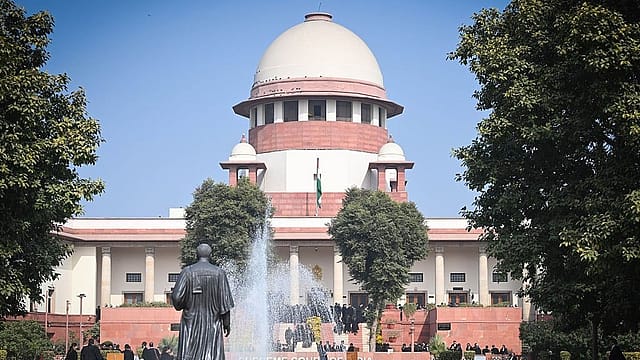
The Supreme Court has chosen not to step into a potentially sweeping debate over how institutions teaching children should be regulated, including those imparting religious instruction.
A bench of Justices Aravind Kumar and Vipul Pancholi on Monday declined to entertain a PIL seeking directions to the Centre and state governments to register, recognise and regularly monitor every institution providing secular education or religious instruction to children up to the age of 14.
The petitioner subsequently withdrew the plea after the court allowed him to pursue the matter before an appropriate forum.
What was the PIL seeking?
At its core, the petition argued that every institution educating children below 14 should operate within a regulatory framework, irrespective of whether it provides secular education or religious instruction. It sought directions requiring such institutions to be registered, recognised and subject to regular supervision. The plea invoked the constitutional guarantee of free and compulsory education under Article 21A, along with Articles 14, 15, 16, 39(f), 45 and 51A(k), arguing that the State has an obligation to protect children's access to quality education and their welfare.

Rise of the Pivotal Power
18 Sep 2026 - Vol 05 | Issue 38
The BRICS declaration is a strategic victory for Modi
Why did religious institutions become part of the argument?
The petitioner argued that imparting religious education amounts to indirect promotion of religion and therefore raised questions about the constitutional framework governing such institutions. The plea sought a declaration that Article 30, which protects the rights of minorities to establish and administer educational institutions of their choice, should apply only to institutions providing secular or professional education and not to institutions imparting religious instruction. It argued instead that institutions primarily engaged in religious instruction should fall under Article 26, which deals with the freedom to manage religious and charitable affairs.
What did the petitioner claim about unregistered institutions?
The plea alleged that the petitioner had visited several border districts of Uttar Pradesh earlier this year and found numerous institutions that were allegedly unregistered or unrecognised. It further claimed that similar institutions had proliferated in border districts elsewhere in the country. The petition argued that the absence of regulatory oversight could affect children's right to quality education and raise questions about their safety and welfare.
What did it ask the court to do about 'minority' institutions?
The petition also challenged the absence of a statutory definition of "minority". It sought directions to the Union government to define the term and establish objective criteria for identifying minority communities. Alternatively, it asked the court to frame appropriate guidelines itself.
So, what has the Supreme Court actually decided?
Importantly, the court did not rule on the substantive constitutional questions raised in the PIL. It simply declined to entertain the petition at this stage and permitted the petitioner to withdraw it and seek an appropriate remedy. That means the larger questions raised by the petition, including the scope of Article 30, the regulation of religious instruction and the extent of state oversight over institutions educating children, remain open.
(With inputs from ANI)