Nipah Explained: Deadly Virus, No Cure, and Rising Concerns in India
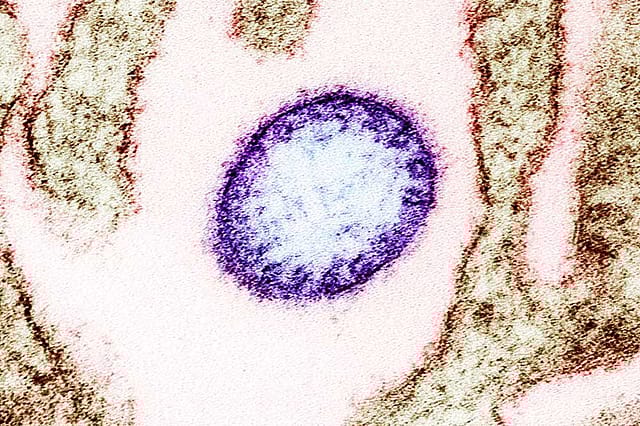
The detection of five Nipah virus infections among healthcare workers in West Bengal’s Barasat area near Kolkata has set off alarm bells across India and the region, prompting quarantines, travel screenings and heightened surveillance.
What has triggered the Nipah alert in West Bengal?
Five confirmed cases of Nipah virus were reported in January 2026 from Barasat in North 24 Parganas district, near Kolkata. All those infected are healthcare workers from a private hospital, with two patients currently in critical condition.
What is the Nipah virus?
Nipah virus is a bat-borne zoonotic pathogen that can cause severe respiratory illness and fatal encephalitis. The World Health Organization classifies it as a priority pathogen due to its epidemic potential. Fatality rates range between 40 and 75 per cent.
How did the West Bengal outbreak begin?
Initial testing identified two infected healthcare workers around January 13, 2026. By January 20, three more cases were confirmed, taking the total to five. Investigations suggest exposure occurred while treating an undiagnosed patient with respiratory symptoms who died in late December.
Has India seen Nipah outbreaks before?
Yes. India has recorded multiple outbreaks since 2001. West Bengal witnessed major outbreaks in Siliguri in 2001, which killed 45 people, and Nadia in 2007, which resulted in five deaths. Kerala has reported nine outbreaks since 2018, with the deadliest claiming 17 lives.
How does Nipah virus spread?

India's Action Hero
27 Mar 2026 - Vol 04 | Issue 64
Riding the Dhurandhar Wave
The virus spreads through fruits or date palm sap contaminated by infected fruit bats. Human-to-human transmission can occur via respiratory droplets or bodily fluids, particularly in close-contact or hospital settings. The current outbreak shows signs of nosocomial transmission among medical staff.
What are the symptoms of Nipah infection?
Early symptoms include fever, headache, vomiting, sore throat and muscle pain, often resembling common viral infections. Severe cases can rapidly progress to encephalitis, causing confusion, seizures and altered consciousness. Symptoms usually appear within 4 to 14 days but can take up to 45 days.
Is there a vaccine or treatment available?
There is currently no licensed vaccine or specific antiviral treatment for Nipah virus. Medical care focuses on supportive treatment, including hydration, respiratory support and intensive monitoring of symptoms.
What travel restrictions and precautions have been imposed?
Nearly 100 close contacts have been placed under home quarantine, with around 180 people tested. Several countries have heightened screening measures: Thailand began airport screening for passengers from West Bengal, while Nepal, Taiwan and Hong Kong increased surveillance at borders and airports.
Why is Kolkata a concern in this outbreak?
The proximity of Barasat to Kolkata raises concerns due to the region’s dense population and high mobility. Authorities are intensifying contact tracing throughout the 21-day incubation period, particularly given West Bengal’s proximity to Bangladesh, where Nipah cases have been reported previously.
What preventive measures are being advised?
Health authorities recommend avoiding raw date palm sap and fruits that may have been contaminated by bats. Good hand hygiene, avoiding contact with sick animals, and strict infection-control protocols in healthcare settings are crucial. Travellers are advised to seek medical care immediately if symptoms appear after visiting affected areas.
(With inputs from yMedia)