N Chandrasekaran Resigns as Tata Sons Chairman, Stays till February 2027
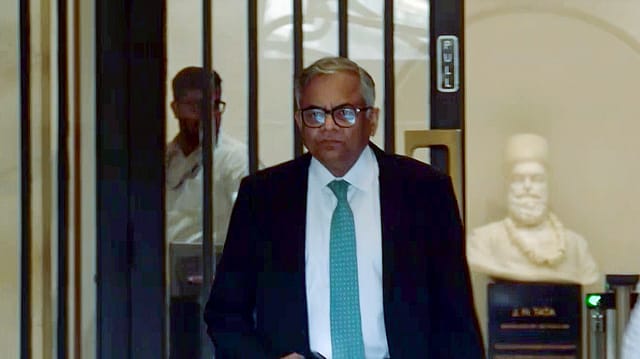
N Chandrasekaran has resigned as chairman of Tata Sons, bringing an unexpected end to his nearly decade-long stint at the helm of the Tata Group. But he is not leaving immediately: Chandrasekaran will serve out his current term, which ends in February 2027, according to Reuters.
The development comes just days before the August 18 annual general meeting, where Chandrasekaran's position on the Tata Sons board was already set to come up for approval. His continuation as chairman is legally linked to retaining his board seat.
The resignation follows months of uncertainty over his future at the group.
Why is Chandrasekaran stepping down?
Neither Chandrasekaran nor Tata Sons has publicly disclosed a reason for the resignation. But the move comes against the backdrop of growing differences between Tata Sons and Tata Trusts, which collectively control about 66% of the holding company. Reuters reported that tensions had resurfaced over Chandrasekaran's reappointment and the future governance of Tata Sons. One major fault line has been the question of whether Tata Sons should eventually be listed. Tata Trusts chairman Noel Tata has opposed a listing, while Chandrasekaran has resisted commitments that would prevent it.
Rise of the Pivotal Power
18 Sep 2026 - Vol 05 | Issue 38
The BRICS declaration is a strategic victory for Modi
The uncertainty had been building for months. The Economic Times reported earlier that Chandrasekaran's reappointment had become contentious amid differences among key stakeholders, including concerns around losses at Air India and newer ventures.
What happens now?
For the moment, Chandrasekaran remains in charge. His current term runs until February 2027, meaning the resignation does not trigger an immediate change at the top of Tata Sons. The bigger question is who will eventually succeed him and how the group resolves the governance differences that have surfaced around its leadership. The timing is significant. The August 18 AGM was expected to decide whether Chandrasekaran would retain his board position and, by extension, continue as chairman. His decision to resign removes that uncertainty before shareholders get to vote on his continuation.
What did Chandrasekaran's tenure change?
Chandrasekaran took over as Tata Sons chairman in January 2017, after serving as CEO of Tata Consultancy Services. He had joined the Tata Sons board in October 2016. Under his leadership, the group expanded aggressively into new areas, including airlines, semiconductors, electronics, batteries and digital businesses, while also pursuing a series of large global and domestic investments. The Tata Group's listed companies delivered strong returns during much of his early tenure, although some newer bets have faced losses and TCS has come under pressure from the changing technology landscape.
His departure therefore comes at a particularly consequential moment for the conglomerate. Tata is simultaneously pushing into semiconductor manufacturing and other new industries, dealing with the challenges of rebuilding Air India and navigating slower growth at TCS, its biggest cash generator. Reuters noted that TCS contributes the bulk of Tata Sons' dividend income.
For now, there is no abrupt handover. Chandrasekaran is leaving the chair, but he still has months left on the clock. The real Tata succession story starts now.
(With inputs from agencies & yMedia)