India to Stop Adding Coal Power After 2035. What Does It Mean?
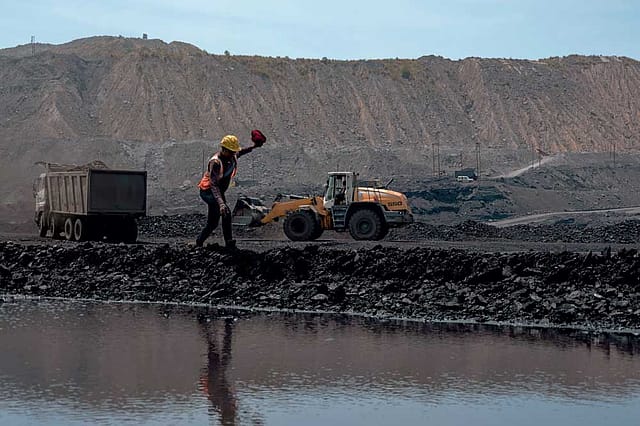
India’s coal power story is set for a dramatic rewrite. The nation, long reliant on coal-fired power generation for fuelling its vast and growing energy needs, will stop adding any more coal power capacity beyond 2035. This decision marks a significant pivot for a country that currently depends heavily on coal for electricity but is also rapidly embracing renewables to meet its future energy requirements. Locally, cleaner air quality, decreased health risks from pollution, and reduced water usage for coal plants will improve quality of life for millions. Economically, investments in renewable technologies could spur job creation, innovation, and new industries.
India’s decision also has global implications since the country is the third-largest emitter of greenhouse gases. Reducing reliance on coal supports global climate goals and sets a precedent for other developing economies balancing growth with sustainability. Here’s what you need to know about India’s coal plan.
What’s changing with India’s coal power?
Coal has been the backbone of India’s electricity for decades, meeting over 70% of the country’s power usage trends. With India’s coal power capacity hovering around 307 gigawatts (GW) today, the nation remains one of the world’s largest consumers of coal-fired power generation. The scale is quite vast, supporting industries, cities, and millions of households. Yet, recent official statements and policy directions show India will halt the expansion of this coal infrastructure after 2035. According to senior officials from India’s power ministry, this does not mean an immediate shutdown of all coal plants but rather no plans for fresh coal capacity additions that go beyond this timeline.

Global By Design
29 May 2026 - Vol 04 | Issue 73
Is the future of fashion Indian?
What does it mean for India’s energy requirements?
India’s rapid economic growth and urbanization continue to drive soaring demand for energy. By 2035, overall power consumption is projected to be significantly higher as industrial production, commercial activities, and rural electrification all gain pace. Traditionally, coal-fired power plants have been the go-to source to meet this growing base load demand because they are reliable and relatively cheap to operate.
But India’s government recognizes that continuing unlimited reliance on coal comes with grave environmental and geopolitical costs. Burning coal contributes significantly to air pollution and carbon emissions, which worsen climate change impacts locally and globally.
So, what’s the new strategy?
Simple: Double down on renewables. Instead of expanding coal capacity, India has set a target to nearly double its renewable energy capacity, aiming for a remarkable 500 GW of renewable sources such as solar and wind. This goal aligns well with India’s commitments under the Paris Agreement to reduce carbon intensity and switch to cleaner energy solutions. As renewables grow, India plans to gradually retire or repurpose many older coal plants, leading to cleaner air and a more sustainable power mix. This will change power usage trends by boosting green energy uptake and reducing coal’s share in the electricity grid.
And what happens to coal power capacity?
Experts predict India’s coal power capacity will stabilize around 307 GW through 2035. That means if India meets its renewable energy goals and energy efficiency measures improve, the government will rely less on new coal plants while managing existing ones more effectively. Electricity generation from coal will still play a major role in the short to medium term but with a shrinking share over time. Indian grid operators will balance coal-fired power with renewable sources and storage solutions to maintain grid stability and meet rising energy demands.
Would the transition be easy?
The transition away from coal power is not without obstacles. Coal mining regions provide employment for millions, and coal plants are critical to some states’ local economies. Shifting to renewables means policymakers must manage social and economic impacts, including reskilling workers and ensuring affordable, stable power. Plus, integrating renewable energy into India’s grid might prove to be complex due to its intermittent nature. States need investments in energy storage, transmission infrastructure, and smarter grid management to prevent disruptions.
What do experts reckon?
Energy researchers welcome the move as a sign India is serious about its clean energy future. Pankaj Agarwal, secretary at the power ministry, told Reuters that “India wants to secure its energy requirements”. “As of 2035,” he continued, “we want to have a coal capacity of 307 gigawatts.” Government officials echo the sentiment that this is a balanced approach, combining coal’s stability with renewables’ promise. So far, they emphasize flexibility. A senior power ministry official reportedly stated that “The 2035 deadline offers a runway to manage this shift responsibly.”
(yMedia is the agency partner for this story)