India is Getting Plastic Money: What Polymer Notes Mean for Your Wallet
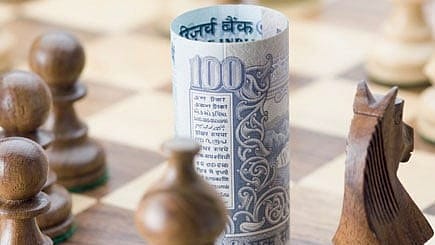
India could soon get a new kind of cash in its wallet: plastic banknotes.
The government has approved a field trial of polymer currency in the ₹10 and ₹20 denominations, marking a significant experiment with how India's physical money is made and managed.
Here’s what changes, and what doesn't.
What are polymer banknotes?
Unlike conventional currency, which uses a paper-based substrate, polymer notes are made from a plastic substrate. They are designed to be more durable and resistant to dirt, moisture and wear, while also making counterfeiting more difficult.
Why is India trialling them now?
The Reserve Bank of India proposed the field trial to the government under Section 25 of the RBI Act, 1934. According to the information cited in the original report, the proposal covers one billion polymer notes each in ₹10 and ₹20 denominations. The government has approved the trial.

Zeroing In on ECI
09 Oct 2026 - Vol 05 | Issue 41
Constitutional legitimacy versus political opportunism
Why ₹10 and ₹20 notes?
These are among the denominations that see heavy everyday circulation. Starting with them gives the RBI an opportunity to test how polymer currency performs under the realities of India's cash economy, including frequent handling and exposure to heat, moisture and dirt.
Will paper notes disappear?
No. Not yet. Polymer notes will be introduced alongside existing paper-based currency. There is no immediate plan to replace India's paper notes entirely.
So, when will plastic notes become regular currency?
That depends on the outcome of the field trial. Regular issuance of polymer notes in the two denominations is planned only after the trials are successfully completed. No timeline has been announced for that next step.
Why does this matter?
The experiment is about more than changing what a banknote feels like. If polymer notes prove more durable, they could potentially remain in circulation longer and reduce the frequency with which worn-out notes need to be replaced. Their resistance to counterfeiting could also add another layer of security to India's cash system. For now, though, this is an experiment. India isn't replacing paper money with plastic. It's putting plastic money to the test.
(With inputs from yMedia)