How South-East Asia Stayed Polio-Free for 15 Years
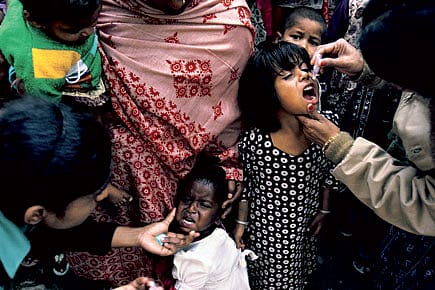
Fifteen years after recording its last case of wild poliovirus, the WHO South-East Asia Region—home to nearly a quarter of the world’s population—continues to hold its polio-free status, while transforming lessons from polio eradication into wider public health progress.
The milestone traces back to January 2011, when an 18-month-old girl in Howrah, West Bengal, was paralysed by wild poliovirus—the final case recorded in the region. An intense and coordinated response ensured the virus never resurfaced. In March 2014, the region was formally certified polio-free.
“This extraordinary achievement demonstrates what sustained government leadership, a dedicated health workforce and strong community partnerships can accomplish,” said Catharina Boehme, Officer-in-Charge of WHO’s South-East Asia Region.
Maintaining polio-free status has required relentless vigilance. In 2025 alone, more than 50,000 stool samples were collected and tested across the region through a network of 13 WHO-accredited laboratories. Surveillance indicators continue to exceed global standards required to retain certification.
To further strengthen detection, environmental surveillance is being conducted at 93 high-risk sites across five countries, adding sensitivity to spot any potential poliovirus transmission early.
Immunisation remains the backbone of this success. According to WHO-UNICEF estimates, the region has sustained over 90% coverage for both the bivalent oral polio vaccine and at least one dose of inactivated polio vaccine for many years. Crucially, this momentum was preserved even during humanitarian crises, natural disasters and the COVID-19 pandemic.

Iran After the Imam
06 Mar 2026 - Vol 04 | Issue 61
Dispatches from a Middle East on fire
Independent oversight is provided by the South-East Asia Regional Certification Commission for Poliomyelitis Eradication, which meets annually to review risks, verify progress and ensure preparedness against importation threats.
Beyond polio, the programme’s legacy has reshaped public health systems. Countries have adapted polio-era innovations—surveillance networks, last-mile delivery models and rapid response mechanisms—to strengthen routine immunisation, accelerate measles and rubella elimination, enhance laboratory capacity, and improve emergency preparedness.
These gains are already visible. The region has sustained elimination of maternal and neonatal tetanus, while the rollout of vaccines against pneumococcal disease, rotavirus, hepatitis B, Japanese encephalitis, typhoid and HPV has sharply reduced mortality and long-term disease burden.
Yet, WHO cautions against complacency. As long as polio exists anywhere in the world, the risk of importation remains. Sustaining high immunisation coverage, sensitive surveillance and rapid response capacity is essential not just for polio, but for all vaccine-preventable diseases.
“The journey from polio endemicity to sustained polio-free status shows that ambitious public health goals are achievable,” Boehme said, reaffirming WHO’s commitment to protecting every child through strong immunisation systems.
(ANI and yMedia are the content partners for this story)