Explained: Why Patna Bird Sanctuary and Chhari-Dhand Are Now Ramsar Sites
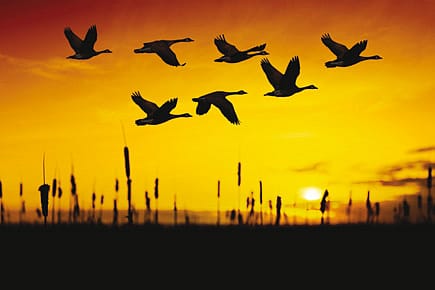
India has added two more wetlands to a prestigious global list. But what does Ramsar recognition really mean and why should Patna Bird Sanctuary and Chhari-Dhand matter beyond geography?
What exactly has happened?
India has added two new wetlands—Patna Bird Sanctuary in Uttar Pradesh and Chhari-Dhand in Gujarat—to the Ramsar list of wetlands of international importance.
Who announced it?
Prime Minister Narendra Modi welcomed the recognition, congratulating local communities and conservationists. Union Environment Minister Bhupender Yadav formally announced the inclusion ahead of World Wetlands Day.
What is a Ramsar site?
A Ramsar site is a wetland protected under the Ramsar Convention, a global treaty focused on conserving wetlands and ensuring their sustainable use. The designation signals international ecological importance.

Zeroing In on ECI
09 Oct 2026 - Vol 05 | Issue 41
Constitutional legitimacy versus political opportunism
Why are these two wetlands special?
Both sites are biodiversity hotspots. Patna Bird Sanctuary (Uttar Pradesh) hosts hundreds of migratory and resident bird species. Chhari-Dhand (Kutch, Gujarat) supports not just birds but wildlife such as chinkara, wolves, caracal, desert cats, desert foxes, and endangered species. These ecosystems are critical for migration, breeding, and climate resilience.
Why does Ramsar recognition matter on the ground?
Ramsar status brings global visibility, stronger conservation frameworks, pressure on governments to prevent degradation and recognition of local communities as custodians of ecosystems. It turns wetlands from ‘ignored land’ into protected natural capital.
How big is India’s Ramsar network now?
With these additions, India now has 98 Ramsar sites. That’s a 276% increase since 2014, when the country had just 26 such sites, one of the fastest expansions globally.
What does the government say this reflects?
According to PM Modi and the Environment Ministry, it underscores India’s commitment to: biodiversity protection, wetland conservation and sustainable ecosystems. The message is clear: wetlands are no longer peripheral. They’re strategic.
Why should this matter to ordinary citizens?
Wetlands prevent floods, recharge groundwater, support livelihoods, and act as climate buffers. Protecting them isn’t just about birds. It’s about ecological security.
(With inputs from ANI)