Excise Duty On Petrol Slashed To Rs 3, Diesel To Zero: Will Prices Fall?
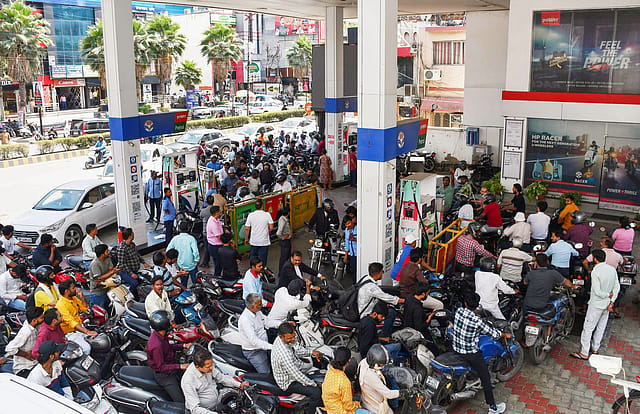
Amid the West Asia crisis and rising crude oil prices, the Finance Ministry has reduced special excise duty on petroleum products to keep petrol and diesel prices stable.
The duty on petrol has been cut from Rs 13 to Rs 3 per litre, while diesel duty has been reduced from Rs 10 to zero.
However, industry sources quoted by NDTV said the reduction is unlikely to translate into lower prices at fuel stations for most consumers as the cut will largely be absorbed by oil marketing companies to offset heavy losses on pump sales.

The Health and Wellness Issue
25 Sep 2026 - Vol 05 | Issue 39
OMCs are currently losing Rs 48.8 per litre of petrol or diesel sold, in large part due to the surge in Brent crude prices. The global benchmark crossed the $100 per barrel red line after the US-Israel war on Iran and the Strait of Hormuz blockade.
The announcement comes under the supply disruptions of crude amid the ongoing West Asia crisis. "...the Central Government, being satisfied that it is necessary in the public interest to do so...," notes a part of the order.
How Much Have Global Fuel Prices Risen And What Did Hardeep Singh Puri Say?
In a long X post, Petroleum Minister Hardeep Singh Puri said: "International crude prices have gone through the roof in the last month, from around $70 per barrel to around $122 per barrel. Consequently, petrol and diesel prices for consumers have gone up all over the world.”
"The Modi government had two choices - either increase prices drastically for citizens of Bharat as all other nations have done or bear the brunt on its finances so that Indian citizens are insulated from international volatility,” the minister wrote.
"... in keeping with the commitment of last four years, since the conflict in Russia-Ukraine started, the govvernment decided to take a hit on its own finances again to safeguard the Indian citizen," Puri said.
The excise duty cut also comes a day after Nayara Energy, the country's largest private fuel retailer with an 8.4 per cent market share and backing by Russian company Rosneft and Kesani Enterprises, hiked petrol and diesel prices by Rs 5.3 and Rs 3 per litre, respectively, NDTV Profit reported.
What Changes Has The Government Made To ATF Excise Duty And How Will It Impact Aviation?
At the same time, the government has revised taxes on Aviation Turbine Fuel. A new excise duty of Rs 50 per litre has been introduced.
However, exemptions will limit the effective duty to Rs 29.5 per litre, easing the burden on the aviation sector.
The notification says "Aviation Turbine Fuel Rs 50 per Litre" as special additional excise duty, alongside exemptions that cap the effective rate at "Rs. 29.5 per litre" in certain cases. Other changes in excise duties have also been made to help maintain overall stability in fuel prices.
The new rules will not apply to exports, except for supplies by public sector oil companies to neighbouring countries such as Nepal, Bhutan, Bangladesh and Sri Lanka, which will continue under the revised system.
Amendments to the Central Excise Rules, 2017, also state that rebate and export procedures will not apply to petrol, diesel and ATF, except for exports to these neighbouring countries by public sector firms.
The government said the changes are in public interest, aiming to balance consumer relief, revenue needs and industry requirements amid global energy uncertainty.
All revised duty rates have come into effect immediately following official notifications issued on March 26 under the Central Excise Act, 1944 and relevant Finance Acts.
(With inputs from ANI)