Census 2027 in Uttar Pradesh: How to self-enumerate, 40 questions and why caste data matters
India is preparing for its first census in more than a decade, and Uttar Pradesh is among the first states to enter the population-counting phase. But this exercise will look different from previous censuses. For the first time, residents can submit their details digitally, enumerators will use mobile applications, and caste information across communities will be collected. The stakes go beyond counting people: the data will help shape how governments plan welfare schemes, allocate resources and understand social and economic changes.
When will Census 2027 take place in Uttar Pradesh?
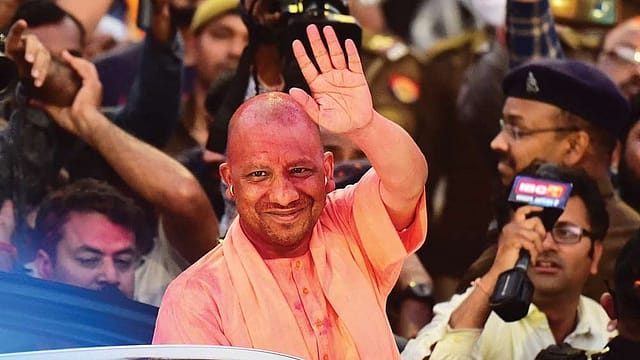
At the launch in Lucknow on November 16, Chief Minister Yogi Adityanath described the exercise as essential for planning the state's development. According to the state government, residents can use the self-enumeration facility from November 16 to November 30. Census officials will then conduct door-to-door population enumeration from December 1, 2026, to January 4, 2027. A revisional round is scheduled for January 5-9.

The Wealth Issue 2026
06 Nov 2026 - Vol 05 | Issue 45
Portraits of Dreamers and Doers under 35
The schedule is different from that of most other states. A notification issued by the Registrar General of India on October 30 set January 25 to February 28, 2027, as the population-enumeration window for most of the country. Uttar Pradesh, Punjab, Goa, Uttarakhand and certain other regions were excluded and given separate dates.
How can residents complete Census 2027 self-enumeration online?
Households can visit the official portal, se.census.gov.in, select their state and register using basic details and a mobile number. After identifying their home on a digital map, they can fill in the household schedule and submit the information.
The portal generates a unique Self-Enumeration ID, or SE ID, after successful submission. Residents must keep this number and share it with the enumerator during the subsequent household visit so the submitted information can be verified and included.
The facility is optional; it does not replace the door-to-door exercise. The government has retained physical enumeration to ensure households that do not submit details online are also counted. The Press Information Bureau says the digital process is intended to make data collection more efficient.
What are the 40 questions in Census 2027?
The Ministry of Home Affairs notified the 40-question household schedule on August 14. It covers individual details such as name, age, sex, marital status, nationality, religion, caste, disability and mother tongue. Questions also examine literacy, digital literacy, education, employment, occupation, migration and other socio-economic circumstances.
The schedule includes questions about household members' relationships, family details and access to certain identity documents. This makes the second phase more than a headcount: it is designed to build a detailed picture of India's population.
Why is caste enumeration a major feature of Census 2027?
The most politically significant change is the inclusion of caste enumeration across communities. The Cabinet Committee on Political Affairs approved the decision on April 30, 2025. Until now, post-Independence censuses systematically collected caste data for Scheduled Castes and Scheduled Tribes, but not for all other castes.
The government says including caste in the main census will provide a more comprehensive database. Such information could influence debates and policymaking around social justice, representation and welfare delivery. The accuracy and interpretation of the eventual data will therefore matter greatly.
Why is Census 2027 India's first digital census?
Unlike earlier exercises that relied heavily on paper schedules, Census 2027 will use mobile applications for enumerators and a central monitoring portal. The public will also have the option of submitting information online.
The Union Cabinet has approved ₹11,718.24 crore for the nationwide exercise, which is the 16th Census overall and the eighth since Independence. The previous Census was conducted in 2011; the 2021 exercise was postponed during the Covid-19 pandemic.
The government has said individual census information will remain confidential, with only aggregated data published. For Uttar Pradesh, the immediate task is to ensure residents participate accurately. The quality of the information collected now will shape the decisions made from it for years to come.
(With inputs from ANI)