Census 2027 Wants to Know You Better: From Caste and Religion to Aadhaar, Bank Accounts and COVID Jab
For most Indians, a Census visit may begin with something simple: a knock on the door.
What follows in 2027 will be a lot more detailed.
The government has notified 40 questions that census officials will ask households as part of the Population Enumeration phase of Census 2027. The questions will seek to build a detailed picture of who Indians are, where they come from, how they live, what they study and how they work.
What is your mother tongue? What religion do you follow? What is your caste? When did you get married? Where were you born? Why did you migrate? Can you use digital tools? How many bank accounts do you have? Where did you get your COVID-19 vaccine?
And then come the numbers: Aadhaar, voter ID, passport and mobile phone details.

Zeroing In on ECI
09 Oct 2026 - Vol 05 | Issue 41
Constitutional legitimacy versus political opportunism
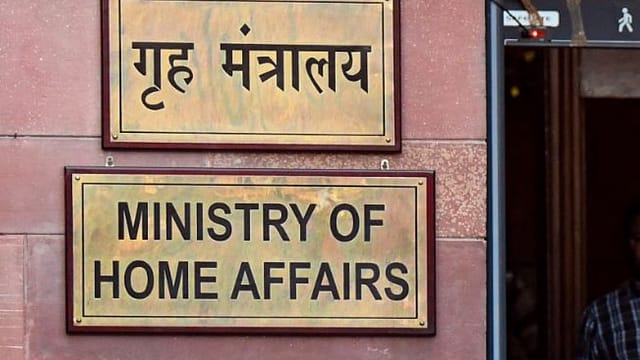
The Ministry of Home Affairs notified the questions on Friday through the Office of the Registrar General and Census Commissioner of India under the Census Act, 1948.
So, what will the Census ask about you?
It starts with the basics.
Your name, relationship with the head of the household, sex, date of birth and age will be recorded. The questions then move into marital status, age at marriage, spouse’s name and nationality, as well as details about your father and mother.
Religion and caste are also part of the questionnaire. Officials will seek information on Scheduled Caste/Scheduled Tribe status or caste, along with disability, mother tongue and other languages known.
Then comes a question increasingly relevant to everyday life: can you navigate the digital world?
The Census will record literacy and digital literacy, whether a person attends an educational institution and the highest level of education attained. It will also ask about the stream or discipline of study.
So, this will not simply be a count of who can read and write. It will offer a snapshot of how India’s educational and digital profile has changed.
What do you do for a living?
The Census wants to know that too.
Officials will ask whether a person worked during the previous year, what kind of economic activity they were involved in, their occupation and the nature of their industry, trade or service.
The questionnaire will also record class of worker, non-economic activity and whether someone is available for or seeking work.
In other words, the Census is not merely asking whether you have a job. It wants to know what kind of work you do and where you fit into India’s economic landscape.
Moved cities? The Census wants that story too
Migration gets its own set of questions.
Where were you born? Where did you live previously? Why did you move? How long have you lived in your current village or town since your last migration?
The schedule will also record your permanent residential address.
Together, those answers can help map one of the biggest forces reshaping modern India: people moving from one place to another for work, education, marriage and other reasons.
Women will be asked about children.
For eligible women, the Census will collect information on children ever born alive, children currently surviving and children born alive during the previous year.
These questions will help capture fertility and broader demographic patterns across the country.
Then come Aadhaar, bank accounts and your COVID jab
Some of the most eye-catching questions appear towards the end.
The schedule includes the place of COVID-19 vaccination, the total number of bank accounts and a mobile number.
It will also seek Aadhaar and voter ID numbers, passport details for Indian passport holders and information on whether a person has a driving licence.
The 40-question schedule forms part of the second phase of Census 2027, known as Population Enumeration. The exercise follows the Houselisting and Housing Census phase, which focuses on housing conditions, household amenities and assets.
And that distinction matters: these 40 questions are not simply about counting how many people live in India. They are designed to build a much broader demographic and socio-economic picture.
India's last full Census was conducted in 2011. Much has changed since then — from migration and education to digital access, employment patterns and household finances.
So when the Census official eventually arrives at the door, don't expect the conversation to end with “How many people live here?”
India wants a much bigger picture.
Forty questions. One household. And a snapshot of how the country lives, learns, works, moves and identifies itself.
(With inputs from ANI)