90 Million Diabetics in India: Can Matcha Tea Help Fight the Lifestyle Disease Surge?
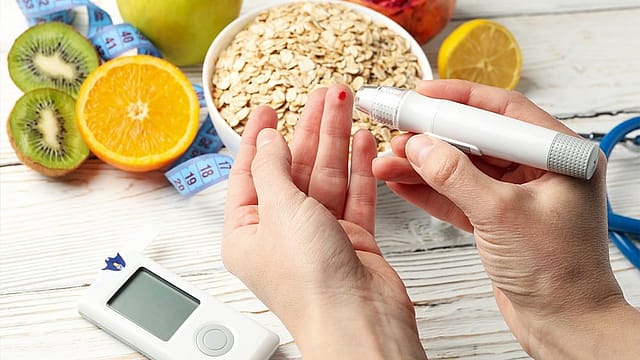
Is India staring down a public health crisis? As per the International Diabetes Federation Atlas (2025), nearly 90 million Indian adults are living with diabetes, and India accounts for one-fifth of global cardiovascular deaths. Meanwhile, the global matcha market is projected to reach USD 7.43 billion by 2030, and it is not hard to see why.
Matcha tea is not just a wellness trend. It is a drink backed by real science. Read on to find out why.
What Exactly Is Matcha Tea, And How Does It Differ From Regular Green Tea?
Matcha is finely ground powder made from the entire Japanese green tea leaf, including stem and veins. Unlike regular green tea, where leaves are steeped and discarded, with matcha you consume the whole leaf. This makes its nutrient profile significantly richer than your standard cup.

Zeroing In on ECI
09 Oct 2026 - Vol 05 | Issue 41
Constitutional legitimacy versus political opportunism
How Do The Benefits Of Matcha Tea Support Your Brain?
The amino acid L-theanine in matcha delivers calm, focused energy without the jittery crash of coffee. As per randomised clinical trials, matcha decreases stress and enhances both attention and memory. A 2026 Hiroshima University study on mice also found matcha suppresses brainstem neurological signals that trigger sneezing, hinting at broader neurological benefits.
Can Matcha Tea Leaves Protect Your Heart?
A meta-analysis published in the European Journal of Nutrition found that catechins in green tea help lower blood pressure and LDL cholesterol levels. Since matcha is made from whole ground matcha tea leaves, its catechin concentration is significantly higher than brewed green tea.
For a country where cardiovascular disease accounts for nearly one-third of all deaths, this benefit is impossible to ignore.
Does Matcha Help With Weight Management?
As per research published in PubMed Central, caffeine in matcha may promote weight and fat loss by facilitating BMI reduction. Studies also confirm that matcha's EGCG catechins inhibit SGLT1, the intestinal glucose transporter, directly reducing post-meal blood sugar spikes after carb-heavy meals like rice or rotis. For best results, research suggests drinking matcha around an hour before eating.
What Does Matcha Do For Your Gut Health?
Matcha promotes gut health by facilitating BMI reduction and fat loss. Studies confirm its EGCG catechins inhibit glucose absorption in the small intestine, reducing post-meal blood sugar spikes. For Indians thriving on rice and roti, this makes matcha a practical daily ally, flattening carb-induced spikes while supporting steady weight management and digestion.
Should Indians Be Adding Matcha To Their Daily Routine?
Given India's deepening lifestyle disease burden, matcha tea is no longer a niche import. As per recent reports, matcha cafes are expanding across Indian metros, though higher price points currently limit accessibility to affluent demographics. The science backing its role in heart health, blood sugar regulation, weight management, and cognitive function is growing by the year. It may well be the daily habit this country needs most.
(With inputs from yMedia)