25,000 km and Counting: India’s Natural Gas Network Enters a New Phase
India’s natural gas ambitions are quietly taking shape beneath its soil. The country’s operational natural gas pipeline network has now crossed 25,000 kilometres, marking a major milestone in its push to build a fully integrated national gas grid and reduce dependence on dirtier fuels.
According to the Ministry of Petroleum and Natural Gas, 25,429 km of pipelines are already operational, while work is underway on another 10,459 km. Once completed, this expanded grid is expected to connect gas sources to demand centres across regions, bringing cleaner energy to households, industries and transport hubs alike.
A key reform underpinning this expansion is the introduction of “One Nation, One Grid, One Tariff.” Rolled out by the Petroleum and Natural Gas Regulatory Board, the framework standardises pipeline transportation charges across nearly 90% of the gas network, ensuring consumers do not pay higher prices simply because they live farther from supply points. The move aims to correct long-standing regional imbalances and make gas a more viable fuel nationwide.
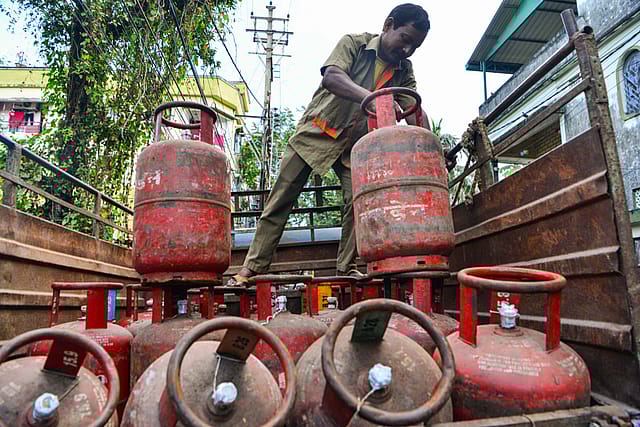
The gas grid push is closely tied to India’s clean cooking programme. Under the Pradhan Mantri Ujjwala Yojana (PMUY), LPG access has reached about 10.35 crore beneficiaries as of December 1, 2025. To accelerate saturation, the government has approved 25 lakh additional LPG connections in FY26 and simplified eligibility norms by replacing multiple declarations with a single deprivation declaration.
Affordability has also been central to the strategy. A ₹300 subsidy per 14.2-kg LPG cylinder, for up to nine refills annually, has helped boost usage. Average LPG consumption per beneficiary has steadily risen—from around three refills in 2019–20 to 4.47 refills in FY25, and a pro-rated 4.85 refills in FY26—signalling deeper adoption of clean cooking fuel.

Youth Issue 2026
24 Apr 2026 - Vol 04 | Issue 68
50 Portraits of Icons and Achievers
Beyond pipelines and LPG, the ministry has focused on strengthening fuel retail infrastructure. More than 90,000 petrol pumps are now enabled with digital payments, supported by 2.71 lakh POS terminals. Door-to-door fuel delivery has expanded through over 3,200 bowsers, improving access in remote areas. Safety and hygiene have also received attention, with toilets ensured at nearly all retail outlets and over 12 crore free safety checks conducted nationwide.
On the supply side, India continues to push domestic energy production. 172 oil and gas exploration blocks have been awarded to boost output, while ethanol blending in petrol has climbed to 19.24%, edging closer to the country’s clean fuel targets.
Taken together, these measures underline a clear strategy: expand infrastructure, equalise access, and nudge consumers steadily toward cleaner fuels: one pipeline, one connection, and one reform at a time.