Terrible Reviews, Packed Theatres: The Strange Rise of China's Most Mocked Movie
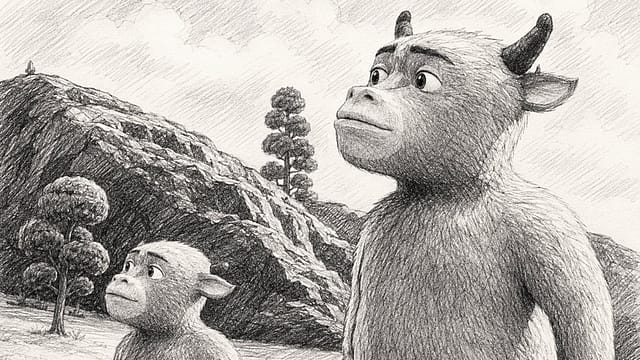
Imagine making a film for years. Nobody notices when it releases. Almost nobody buys a ticket.
Then people start laughing at it. The internet calls it terrible. The animation becomes a meme.
And somehow, that is when your box-office miracle begins.
That is the story of Niu Lai ("The Cow Is Coming"), a low-budget Chinese animated film that has gone from near-total obscurity to becoming one of the year's most fascinating cinema phenomena. According to Reuters and Chinese box-office trackers, the film earned barely a few thousand yuan in its first days before exploding into a viral sensation that began competing for attention alongside Hollywood releases such as Spider-Man: Brand New Day and Christopher Nolan's The Odyssey.
Then something interesting happened.
Instead of avoiding the film, people became curious.
"Can it really be that bad?"
That question turned out to be a more effective marketing campaign than any trailer.
Online ridicule reportedly transformed into ticket sales rapidly, with cinemas adding screenings as demand surged. Social media users who initially watched clips ironically began encouraging friends to see it for themselves.
Rise of the Pivotal Power
18 Sep 2026 - Vol 05 | Issue 38
The BRICS declaration is a strategic victory for Modi
This may be the most interesting part of the story.
Many Chinese social media users began praising the film not despite its flaws but because of them.
Reuters reported that younger viewers increasingly viewed the film's rough edges as evidence that it was genuinely handmade rather than algorithmically generated. Some investors began linking the movie's success to stock-market optimism, while social media users joked about buying tickets as a good-luck charm for rising markets.
At one point, the conversation became so widespread that China's central bank reportedly felt compelled to warn investors against treating movie memes as market signals.
(With inputs from yMedia and agencies)