Ed Sheeran, Macklemore & Gaza: Who Controls the Concert Stage?
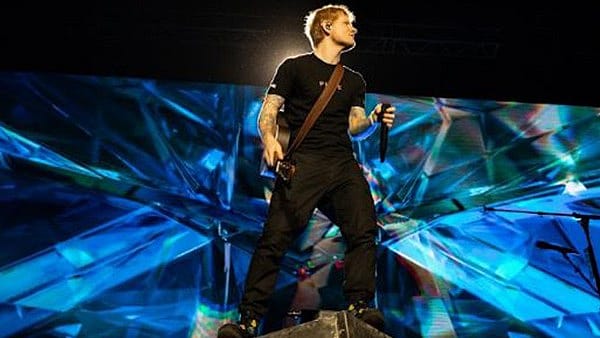
Ed Sheeran’s Philadelphia concert went ahead. The argument over who was missing from its stage followed him there.
Speaking at Lincoln Financial Field on Saturday, September 19, Sheeran addressed the removal of Macklemore from his Loop Tour and the departures that followed. A singer who has largely avoided political commentary now found himself explaining his position on Gaza, freedom of expression and a decision he says was made by promoters and venues.
“But this is a humanitarian issue, and I cannot hide how I feel about it anymore,” Sheeran reportedly said to Variety. The dispute raises a question that extends beyond either performer: who gets to decide what an artist can say during a concert?
What Started the Controversy?
The flashpoint was Macklemore’s appearances at Sheeran’s September 4 and 5 concerts at MetLife Stadium in New Jersey. During his performances, the rapper spoke about Gaza and the West Bank, declared “Free Palestine” and performed “Hind’s Hall”, his 2024 protest song supporting Palestinians. His appearances drew criticism from some Jewish and pro-Israel organisations. The Israeli-American Council called for his removal from the tour. Messina Touring Group, which promotes the US leg of the Loop Tour, subsequently announced that Macklemore would no longer perform on the remaining dates.

Zeroing In on ECI
09 Oct 2026 - Vol 05 | Issue 41
Constitutional legitimacy versus political opportunism
Who Removed Macklemore—and Why?
According to the promoter, venues had indicated that concerts featuring Macklemore would not be allowed to proceed. Keeping him on the bill, it said, risked cancellations affecting hundreds of thousands of ticket holders.
That is the promoter’s explanation for the decision. Sheeran has said Macklemore’s removal was decided by the promoter and venues, rather than by him. He also expressed concern about venues exercising control over performance content. He wrote that he was “deeply worried about the idea that venues pre-approve content for performance”. “This happens in so many places that I perform around the world, but it should never happen in the free world,” he said. The distinction matters: Sheeran disputes responsibility for removing Macklemore, while defending his own decision to continue performing.
What Has Sheeran Said About Gaza?
At the Philadelphia concert, Sheeran said he had faced “difficult decisions” during the preceding week. “I don’t want to disappoint fans, and I’ve never wanted to be an activist musician, but this has put me in the middle of an important and passionate argument about freedom of speech and the most complex political issue on the planet,” he said.
He described his concerts as a space intended to welcome everyone and said honouring commitments to fans was essential to him. Sheeran condemned the October 7 attacks in Israel and described what was happening in Gaza as “catastrophic and unjustifiable, and disproportionate”. He also spoke about civilian deaths, children’s deaths and injustice in the West Bank. He said he was listening to people with different perspectives and exploring ways to help victims, while acknowledging that he needed to learn more.
Why Have Other Artists Withdrawn?
The fallout spread beyond Macklemore. Aaron Rowe, Lukas Graham, Finneas and Beoga also withdrew from tour appearances following the rapper’s removal. Their departures widened the dispute from a disagreement over one supporting act into a broader rupture within the tour.
According to the supplied ANI report, Rowe and Lukas Graham withdrew from upcoming North American dates. Finneas pulled out of planned South American appearances, while Beoga, longtime Sheeran collaborators, had been performing as part of his live show. Macklemore said he and Sheeran had held “difficult conversations”. He expressed personal respect for the singer but challenged his preference for public neutrality.
The rapper said he did not regret speaking in support of Palestinians and announced that he would donate $1 million to Palestinian relief organisations.
Who Gets the Final Say on Stage?
The dispute exposes competing forms of power within a concert tour.
Artists decide what they want to perform and say. Promoters organise the shows. Venues can place conditions on whether those shows proceed. Supporting acts can withdraw, while the headline performer must decide whether to continue. Here, the promoter cites the threat of cancellations. Sheeran cites his obligations to fans while objecting to content approval. Macklemore defends using his platform to speak about Palestinians.
The free-speech argument concerns how those commercial decisions affect artistic expression. The reported accounts do not establish a court finding that anyone unlawfully censored Macklemore. Sheeran has chosen to keep the tour running. What remains unresolved is how that commitment can coexist with his own objection to venues pre-approving what happens on stage.
With inputs from ANI