Nana Patekar: The Star Who Came in from the Cold
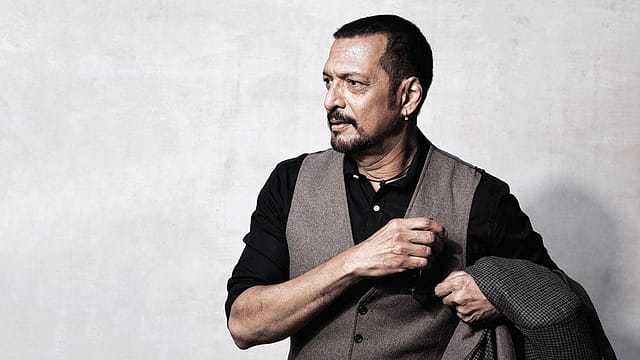
He was the vagrant who became the vigilante in Ankush (1986); the ne’er-do-well whose hanging becomes a tamasha in Krantiveer (1994); and the abusive husband who turns the gun on himself in Agni Sakshi (1997). Nana Patekar was everyman, who channelled the anger of the middle class much after Amitabh Bachchan relinquished the crown.
With his powerful monologues, angry eyes, and an ability to act with his entire physique, he was a trained artist and natural theatre kid who could overperform and underact given the role. He acted with the best co-stars, was directed by the best filmstars, and was often blunt with the media.
But he created lasting characters that will remain his legacy. The rainmaker who resolves all problems in Amol Palekar’s musical Thoda Sa Roomani Ho Jaye (1990); a playful, streetsmart performer mentoring a young Shah Rukh Khan in Aziz Mirza’s Raju Ban Gaya Gentleman (1992); and the mafia don who wants to be an actor in Welcome (2007) and Welcome Back (2015).

There were whispers of romances gone wrong, and allegations of harassment, but Patekar never shied away from asking questions to the powerful or creating value for the needy. An actor who chose to be an outsider, a professional who spoke his mind, and a human being who was flawed but also fearless, Patekar rose from relative poverty to the height of fame in Bollywood.
But he rejected the appurtenances of fame, the entourage, the continuous media outreach. He focused on understanding his characters, whether it was the unflappable adviser in Prakash Jha’s Raajneeti (2010) or the cab driver living a double life in Milan Luthria’s Taxi 9211: Nau Do Gyarah (2006). He worked hard to get the tone right, which could vary from the bombastic in Prahaar: The Final Attack (1991), where he played a strict officer, having prepared for three years for the role, to the tragic ageing patriarch in Mahesh Manjrekar’s Natsamrat (2016).
He didn’t come to the movies via arthouse cinema like Naseeruddin Shah or the late Om Puri. He came through Marathi plays which he watched with his father as a child, and small parts in a series of Marathi and Hindi movies. He was not a trained actor but had seen enough of life in straitened circumstances to understand hunger and humiliation. This gave him both his pride and his prejudices.
And it gave him the opportunity to pour his entire life experiences into roles such as Mira Nair’s 1988 classic Salaam Bombay!. Watch it almost 40 years later and see if the chills don’t go down your spine when Nana’s character, Baba, picks up the little girl who wants to play and shakes her tiny body as he holds her, suspended, from the terrace. Or when he hits Chillum, his dard ka ghulam (slave of pain) with his belt to show off to the reporter who has come to do a story on Mumbai slums.
He could be a bully or a vicious don setting one brother against the other in Vidhu Vinod Chopra’s iconic 1989 mafia movie, Parinda; he could be an encounter specialist in Shimit Amin’s Ab Tak Chhappan (2004) or the police chief in Ram Gopal Varma’s The Attacks of 26/11 (2013); or he could be a mobster-hotelier in Rohan Sippy’s Bluffmaster (2005) and a vaccine specialist in The Vaccine War (2023). But he always poured a bit of himself into everything. “We all have to go some day,” he said recently. But the question he wanted to ask himself, he said, was: “Am I able to do what I want to do?”
His legacy suggests that he did.