What Are Personality Rights? Why Vijay Deverakonda & Kangana Have Moved Delhi HC
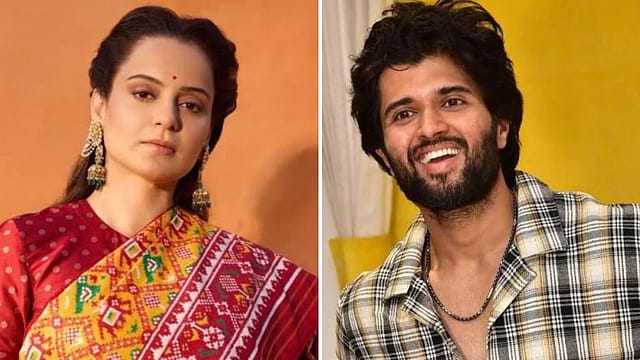
Two film stars approached the Delhi High Court with the same demand: stop people using my identity without my permission.
Actor Vijay Deverakonda and actor and BJP MP Kangana Ranaut have each filed suits seeking protection of their personality and publicity rights. Their lawyers argued the cases before Justice Vikas Mahajan, who issued summons in both suits and notice on their applications for interim injunctions.
Here is what personality rights are, where they come from and why they keep ending up in court.
WHAT THE TWO ACTORS WANT
Deverakonda says his name, image and other attributes of his persona are being used without authorisation. His counsel, Senior Advocate Swathi Sukumar, told the court that he has been hurt by fake endorsements and impersonation, with several people allegedly posing as his agents.
The Modi Years
02 Oct 2026 - Vol 05 | Issue 40
A Nation Rebuilt
She also pointed to merchandise carrying his images and to AI-generated content and digital manipulation of his photographs. The suit also seeks removal of obscene and abusive material linked to his persona. Some of the offending links were taken down after the suit was served. The court said it would pass an order on his interim plea.
Ranaut's suit targets fake news and AI-generated content about her. While reviewing links placed before it by her counsel, Advocate Saket Sikri, the court observed that an animated piece and a meme appeared to be satirical.
Sikri said he was not pressing for their removal at this stage. Some defendants had already taken content down after receiving an advance copy of the plaint. The court asked for an amended memo of parties, since some defendants have been dropped, and listed the matter for February 3, 2027.
SO WHAT ARE PERSONALITY RIGHTS?
They are a person's right to control how their identity is used. That covers name, image, likeness, voice, signature style and even catchphrases. They are also called publicity rights, and they protect two things at once: dignity and money.
A deepfake can humiliate someone, and a fake endorsement can take income from the real deals they negotiate. In the Anil Kapoor case, the Delhi High Court noted that endorsement is a major source of livelihood for a celebrity.
IS THERE A LAW?
India has no personality rights statute, and courts have built the doctrine case by case from several sources. The first is Article 21 of the Constitution, which guarantees privacy and dignity, anchored by the nine-judge ruling in the Puttaswamy case that made privacy a fundamental right.
The second is the common-law tort of passing off, which stops false suggestions that someone endorses a product. The third is a set of statutes: performers' rights under the Copyright Act, trademark law and the IT Act's provisions on identity theft and impersonation online.
The idea took shape in 2012, when the Delhi High Court ruled on a jeweller's use of Amitabh and Jaya Bachchan's photograph after an endorsement contract had expired. It defined the right of publicity as the right to control the commercial use of one's identity. In 2015, the Madras High Court protected Rajinikanth against a film using his name and style.
THE LANDMARK ORDERS
The Delhi High Court gave Amitabh Bachchan sweeping protection in 2022, in what is described as its first "John Doe" order, which covers unknown defendants and lets a celebrity act against infringers who cannot yet be named.
In 2023, it protected Anil Kapoor's name, image, likeness, voice and his catchphrase "jhakaas" against AI tools, GIFs and morphed content.
It has since protected Jackie Shroff, including against AI chatbots mimicking his voice and mannerisms, as well as Karan Johar, Abhishek and Aishwarya Rai Bachchan and spiritual leader Sri Sri Ravi Shankar.
The Bombay High Court has done the same for singer Arijit Singh over AI voice cloning, and for others including Akshay Kumar and Asha Bhosle.
The Delhi High Court's list also includes Tabu, Rajinikanth, Allu Arjun, Mohanlal, Kajol, R Madhavan, NTR Jr, and cricketers Yuvraj Singh, Abhishek Sharma and Sunil Gavaskar. Singers Sonu Nigam and Jubin Nautiyal, entrepreneur Aman Gupta, preacher Aniruddhacharya, and public figures Shashi Tharoor and Pawan Kalyan have also sought or got protection.
WHY SO MANY CASES NOW?
Cheap tools can clone a voice or make a believable fake video in minutes, so harm that once needed a counterfeit billboard can now come from anyone with a laptop. In 2025, actors including Hrithik Roshan, Katrina Kaif and Anil Kapoor went to the Delhi High Court after finding AI videos of themselves endorsing products or saying things they never said. Courts have treated such use as a violation of personality rights, and sometimes as passing off or defamation as well.
With inputs from ANI