Diljit Dosanjh calls out ‘double standards’: Why Coldplay’s lyrics and his songs sparked a row
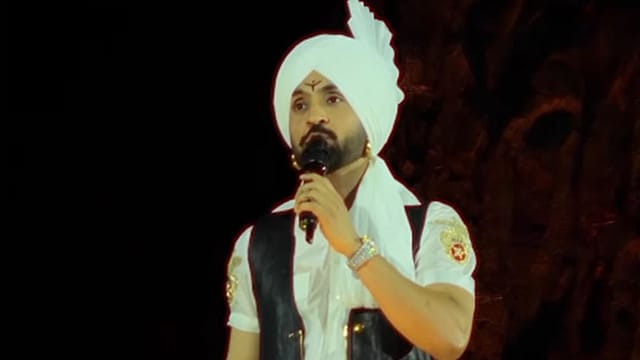
When Diljit Dosanjh took the stage at Ahmedabad's Narendra Modi Stadium on November 21, it was meant to be another milestone in his AURA India Tour. Instead, the Punjabi singer used the concert to address the controversy surrounding his songs, questioning why he faced objections over lyrics when international artists performing at the same venue had seemingly escaped similar scrutiny.
The comparison he chose was Coldplay. Recalling the British band's January 2025 concert at the stadium, Dosanjh asked why its song Hymn for the Weekend, with the line “I'm feeling drunk and high”, did not invite the same objections. “But when Diljit sings the same, there is a problem. Why these double standards?” he asked the audience, in remarks that subsequently went viral.

The Wealth Issue 2026
06 Nov 2026 - Vol 05 | Issue 45
Portraits of Dreamers and Doers under 35
Why did Diljit Dosanjh compare himself with Coldplay?
Dosanjh's argument was about what he perceived as unequal treatment of Indian and international performers. He pointed to Coldplay's performance as an example of lyrics referencing intoxication being accepted in a concert setting, while some of his own songs had become the subject of complaints and restrictions.
The singer also pushed back against criticism questioning his Indian identity. Saying he was born and raised in India, he pointed out that his musicians and crew, who travel with him internationally, were also Indian.
“I travel across the world, and all the musicians behind me are Indians. They are born here,” he said, adding that he would continue performing and taking Indian and Punjabi music to audiences overseas.
Which Diljit Dosanjh songs faced restrictions in Ahmedabad?
The controversy followed demands to restrict four tracks: Patiala Peg, 5 Taara Theke, Je Bichcho Feem Labbiya and Jatt Utthe Fire Karda. Dr Pandit Rao Dharennavar, a Chandigarh-based academic, objected to their lyrics, alleging that they promote alcohol, drugs and gun culture.
The District Child Protection Unit also sought preventive measures ahead of the Ahmedabad concert, citing concerns about the potential influence of such songs on children. The objections included requests concerning children being invited on stage and the use of bullet-belt accessories.
What happened in Indore, and why is the 2019 court order relevant?
The Ahmedabad controversy followed similar restrictions ahead of Dosanjh's November 15 Indore concert. The district child protection authorities directed the venue to ensure that four songs were not performed, citing concerns about their impact on young audiences.
The objections referred to a July 2019 Punjab and Haryana High Court order concerning songs glorifying alcohol, drugs and violence. However, questions about how such directions can be enforced at concerts have also emerged. India Today reported that raising concerns about lyrics and legally enforcing restrictions on a performance are distinct matters.
What did Diljit say about continuing to perform?
Dosanjh was unapologetic, but he also struck a playful tone, telling critics that he would respond if provoked. He said he would continue performing, paying taxes and taking Punjabi and Indian music around the world.
His remarks have brought the debate back into the spotlight: where should concerns about children and potentially harmful lyrics end, and how far can restrictions on a live performance go?
(With inputs from ANI)