Dune: Part Three and Frank Herbert’s Warning against Worshipping Messiahs
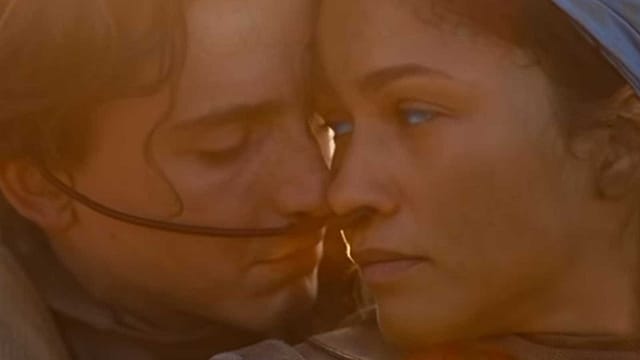
Paul Atreides is the sort of hero audiences are trained to root for. His family is betrayed, his father is killed and he is forced into the unforgiving desert. Gradually, he finds the Fremen of Arrakis, who see him as the leader who will free them from imperial rule. Paul seems to fit their prophecy of being Lisan al-Gaib (the voice from the outer world). Paul can glimpse the future, defeats a far stronger enemy and eventually takes the imperial throne.
But then comes the cost. The Fremen’s victory leads to a holy war fought across the universe in Paul’s name. Billions die. The young man who promised liberation is now the centre of a movement he cannot control.
That turn is what makes Denis Villeneuve’s Dune: Part Three an interesting view. Scheduled for release on December 18, the film adapts Frank Herbert’s 1969 novel Dune Messiah. Set 12 years after the first book, it follows Paul as emperor, facing the consequences of the jihad unleashed by his rise. The story moves beyond a hero defeating an empire. It asks what happens when people decide one man has all the answers.

The Wealth Issue 2026
06 Nov 2026 - Vol 05 | Issue 45
Portraits of Dreamers and Doers under 35
Herbert intended Dune as a warning against precisely that kind of faith. He was wary of charismatic leaders and the people who stop questioning them. In an interview, Herbert said such leaders should carry a warning label: “I may be dangerous to your health.” Even an admired leader, he argued, could lead people into disaster if followers handed over their judgement.
He made the point more plainly in “Dune Genesis”, an essay published in the science fiction magazine Omni in 1980. One of the book’s themes, he wrote, was: “Don’t give over all of your critical faculties to people in power, no matter how admirable those people may appear to be.” A leader’s mistakes become catastrophic when amplified by the followers.
Paul is not evil from the beginning. He wants to free the Fremen from the emperor and the Harkonnens. He understands that their belief in a prophesied outsider can be used. The prophecy helps him win their trust. Once he has power, the religious movement grows beyond him, turning victory into a mandate for conquest.
In Dune Messiah, Herbert spells out the scale of the violence. Paul’s jihad killed 61 billion people, sterilised 90 planets and destroyed 40 religions. Paul can see possible futures, but that does not give him a way to stop the bloodshed. The system built around him has acquired a momentum of its own.
The danger, in Herbert’s view, lies as much with the followers as with the leader. A messiah offers certainty at a time of fear. People begin by supporting a cause, but later come to treat the leader as the cause itself. Criticism begins to look like betraying the leader. Bad decisions are excused; violence is justified in the name of the greater purpose.
This pattern, as one would think, is not confined to just religion. Political movements too build personality cults around leaders.
Popular fiction often encourages the very instinct Herbert distrusted. It gives us the chosen ones—from King Arthur to Luke Skywalker to Jon Snow. People with unusual gifts who arrive when institutions fail and set the world right. Paul is compelling because he seems to belong to that tradition. Herbert lets readers share the Fremen’s excitement before showing where it leads.
That is why Dune Messiah matters. It changes the meaning of Paul’s triumph in the first novel. The victory was real, but so was the disaster that followed. Herbert’s warning was not that every popular leader is secretly a monster. It was that no leader should be beyond question, however convincing the prophecy or noble the cause.