Why IndiGo—and many brands—cut a ‘sorry’ figure
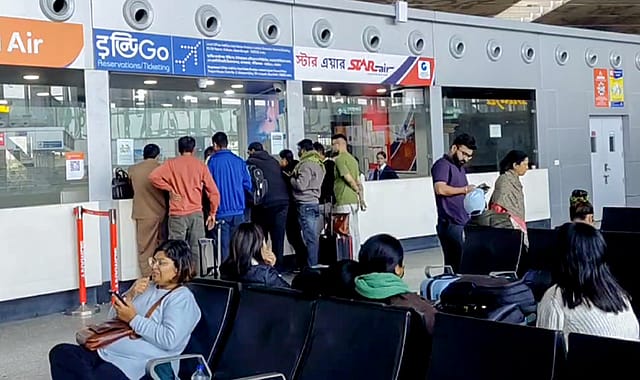
This was the ‘sorry’ the nation had been waiting for. This was a ‘sorry’ that could have eased the physical pain, acknowledged the emotional bruises, and recognised the financial strain thousands endured. This was a ‘sorry’ that had the power to reset a year drowned in corporate, rehearsed, hollow apologies.
But when it finally came—yes, we are talking about IndiGo’s long-delayed note of contrition—it landed with a hollow thud. Here’s why Indigo’s ‘sorry’ cut a sorry figure. First, it was too little, too late. Second, there is no warmth in its words, and no sincerity between the lines. Third, it felt less like remorse and more like another entry in the growing catalogue of 2025’s scripted apologies, where ‘sorry’ wasn’t felt, but only performed.
The Modi Years
02 Oct 2026 - Vol 05 | Issue 40
A Nation Rebuilt
‘Sorry’ has become an abused word. But before we examine how it lost its soul, marketing and branding experts point to IndiGo’s handling—perhaps mishandling—of one of its worst crises. Their verdict is clear: the episode is a priceless lesson for every brand on what apology, accountability and timing truly mean.
“Is Indigo even a brand,” asks Harish Bijoor, who runs an eponymous brand consulting firm. The brand guru outlines the fundamental traits of any brand. “The core of any brand is empathy,” he reckons, adding that a brand understands--and not sympathises--the pain of every consumer. It must feel every ‘ooh’ and ‘ouch.’ Another distinct feature is honest communication. “A brand talks, and it’s sincere. It’s honest,” he says. If there is a mistake, quickly own and accept it. If there is a blunder, be agile enough to correct it. If there is a drop in commitment, be the first one to rectify it on a war footing.
Indigo, reckons Bijoor, has failed on all parameters. “It went berserk. It has dehumanised customer management service mechanism,” he says, adding that using automation, IVR (interactive voice response) and artificial intelligence has only perpetrated frustration among the users. “When a human has a problem, a human wants another human to listen to it and solve it,” he says, adding that the airports resemble war zones today. The death of a brand happens when it loses it empathy. “You are left with a name but you don’t have a soul,” he says.
CRISES ARE INEVITABLE. BE READY
For brands--as well as humans--crises are not optional. They are inevitable. “At times, things will go wrong,” says Ashita Aggarwal, professor of marketing at SP Jain Institute of Management and Research. Nobody can anticipate a crisis but everybody must prepare for it. “You must have an umbrella even when it doesn’t rain,” she says, adding that brands too need to proactively pull out their umbrella when crisis starts raining.
This is what Nestle did in 2015 when it found its blockbuster brand Maggi in deep crisis.
The most potent weapon used by Nestle in handling Maggi’s existential crisis in India was empathy. “It entered into an honest conversation with all stakeholders, starting with consumers, government and media,” she says. “It didn’t turn mute or remained silent. It started talking,” she adds. Suresh Narayanan, former chairman and managing director of Nestle India, captured the essence of how he handled the crisis. "I came into Nestle at a very troubled time," he reportedly underlined in a media interview to PTI in July this year. “It was probably the existential crisis that was happening,” he acknowledged the gravity of the issue.
The magic, though, lied in putting consumers at the centre. "Crisis is a very good time to make change,” Narayanan reportedly underlined in the interview. One can jettison all the things that are not adding value to the consumer and put in things that add value. When the brand started the conversation with all stakeholders, it brought to bear the power of the brand and highlighted what it stood for as a company in terms of maintaining highest food quality and safety. "A crisis of this kind is more than technical facts. It is perspectives and perceptions that matter,” he summed up. Maggi returned to shelves in November 2015.
A decade later, Indigo--the biggest airlines in the country—seems to have learnt little in handling crises.
FLEECING CONSUMERS & LOSING STICKINESS
If Indigo cuts a ‘sorry’ figure, what about some of the rival airline brands that have jacked up fares to fleece flyers? “It’s opportunism at its best,” says chief marketing officer of one of the top FMCG companies in India. “This was not an opportunity to make money. It was a chance to build consumer stickiness by staying honest,” he says, requesting not to be named.
But is honesty even a value most brands hold anymore?
Take, for instance, the practice of charging platform fee, convenience fee, and surge prices. “Is this not fleecing,” asks chief executive officer of a top advertising company. From ride-hailing players to quick commerce brands to most of the online service providers, all loot hapless consumers. “First induce consumers to start using your service or product, and then start charging platform, convenience and surge fee,” grins the CEO, requesting anonymity. The gameplan is: induce dependence first, and charge creatively later.
What, though, is the most tragic part of the entire episode is short public memory. “We forget quickly,” says a top honcho of a rival airlines that landed in a crisis of a different kind last year. “After a few weeks, the flyers will be back, and all of us will start a new journey,” he adds.
In the end, the burden of restoring the soul of ‘sorry’ lies with both: brands who say it, and the consumers who accept it. Can ‘sorry’ get a new lease of life in 2026? Or has corporate remorse lost the one thing it always needed: sincerity?