What US Easing of Iran Oil Sanctions Means for Global Energy Prices and Supply Chains
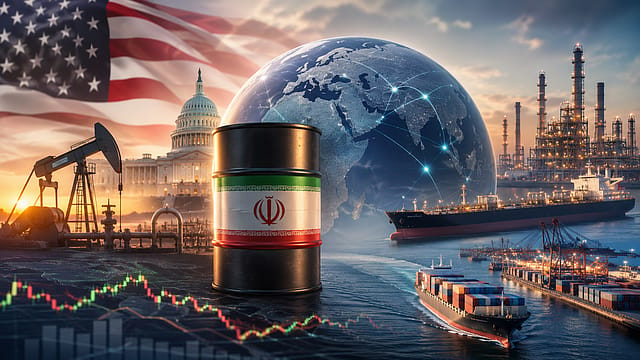
The United States has temporarily lifted sanctions on Iranian oil and petrochemical exports, a move that will allow Tehran to transact with international trading partners freely and even receive payments in dollars.
"Oil and petrochem exports are waived, blockade lifted, some frozen assets released, and a major reconstruction & development plan launched for Iran," Iranian foreign minister Seyed Abbas Araghchi said in a social media post.
The easing of the sanctions regime is for a period of 60 days until August 21, 2026. The waiver will continue alongside deliberations between the US and the Iranian regime on a durable peace deal following the signing of a memorandum of understanding putting an end to hostilities and the reopening of the Strait of Hormuz.

Zeroing In on ECI
09 Oct 2026 - Vol 05 | Issue 41
Constitutional legitimacy versus political opportunism
The lifting of sanctions by the US comes as a huge relief for Iran, as it can now directly service orders using financial intermediaries that were earlier hesitant to get involved, fearing US reprisals.
The sanctions relief covers banking, insurance and shipping linked to the export of Iranian oil. Iranian crude oil exports could become competitive as costs are likely to come down.
How will US sanctions relief on Iranian oil impact China?
The biggest beneficiary of this move could be China, which has been the largest importer of Iranian oil despite the sanctions in place earlier.
It was getting discounted Iranian oil as there were few takers earlier. With sanctions gone, it can directly make payments to Iran and use the oil to stockpile enough reserves for any future contingency.
Crude oil prices, which fell more than 3 per cent on Monday, extended the sell-off on Tuesday as easing of supply pressure along with muted demand from China is likely to keep a lid on oil prices.
Brent crude oil prices traded at around $77.7 per barrel while US WTI stood at $73.9 per barrel on Tuesday.
The US sanctions relief will also allow the import of Iranian oil to the US, something that hasn't happened in decades.
How will US sanctions waiver on Iranian oil boost revenue from oil and oil derivatives?
The waiver also means that Iran could generate significant revenue in dollars by freely selling oil and oil derivatives, even though Trump said that the money that Iran will get from oil and the unfreezing of its assets will be used to buy American corn and soy.
Iranian crude oil exports picked up through the Strait of Hormuz even as the US and Iran were negotiating a peace agreement.
A total of 6.79 million barrels departed the Middle East Gulf in the week of June 15, the highest since May 1, maritime intelligence firm Windward posted on X.
The Hormuz reopening may alleviate the pressure on global energy markets, but it remains susceptible to the peace talks that are underway between the US and Iran.
Iran will likely make the most of the 60-day window that it has to enter long-term contracts for its oil and petrochemical exports.
(With inputs from ANI)